
Lesson-Planning Your Final Wishes: Educational Design for the Digital Afterlife | Paula Soito
What happens when a 30-year veteran educator turns her lens toward the most difficult lesson of all: death and dying in the digital age? In this episode of The Digital Legacy Podcast, host Niki Weiss, Digital Thanatologist, sits down with Paula Soito, an education strategist with 31 years of experience. Paula shares how she helped transform the complex, emotional world of end-of-life planning into the bite-sized, "micro-learning" framework of My Final Playbook. You’ll discover: How to use "mini-wins" to break through the emotional roadblocks of death and dying and build momentum in your planning. A deep dive into Optimize, Deliver, Connect, and Scale—the framework that turns overwhelming information into life-changing knowledge. Why adults need autonomy and "on-demand" learning to tackle sensitive topics like digital legacy and trusts. Why traditional trusts often fail to include digital assets and how to button up the parts your attorney might have missed. How to use "Cartography" to start with your ideal end-of-life outcome and work backward to today's tasks. Practical language and tone shifts for the "Sandwich Generation" to have sensitive conversations without sounding greedy or angry. Because a well-planned legacy isn't just about the paperwork you leave behind—it’s about lifting the invisible weight of the "unknown" from your shoulders while you’re still here to enjoy the peace.
Description:
What happens when a 30-year veteran educator turns her lens toward the most difficult lesson of all: death and dying in the digital age?
In this episode of The Digital Legacy Podcast, host Niki Weiss, Digital Thanatologist, sits down with Paula Soito, an education strategist with 31 years of experience. Paula shares how she helped transform the complex, emotional world of end-of-life planning into the bite-sized, "micro-learning" framework of My Final Playbook.
You’ll discover:
How to use "mini-wins" to break through the emotional roadblocks of death and dying and build momentum in your planning.
A deep dive into Optimize, Deliver, Connect, and Scale—the framework that turns overwhelming information into life-changing knowledge.
Why adults need autonomy and "on-demand" learning to tackle sensitive topics like digital legacy and trusts.
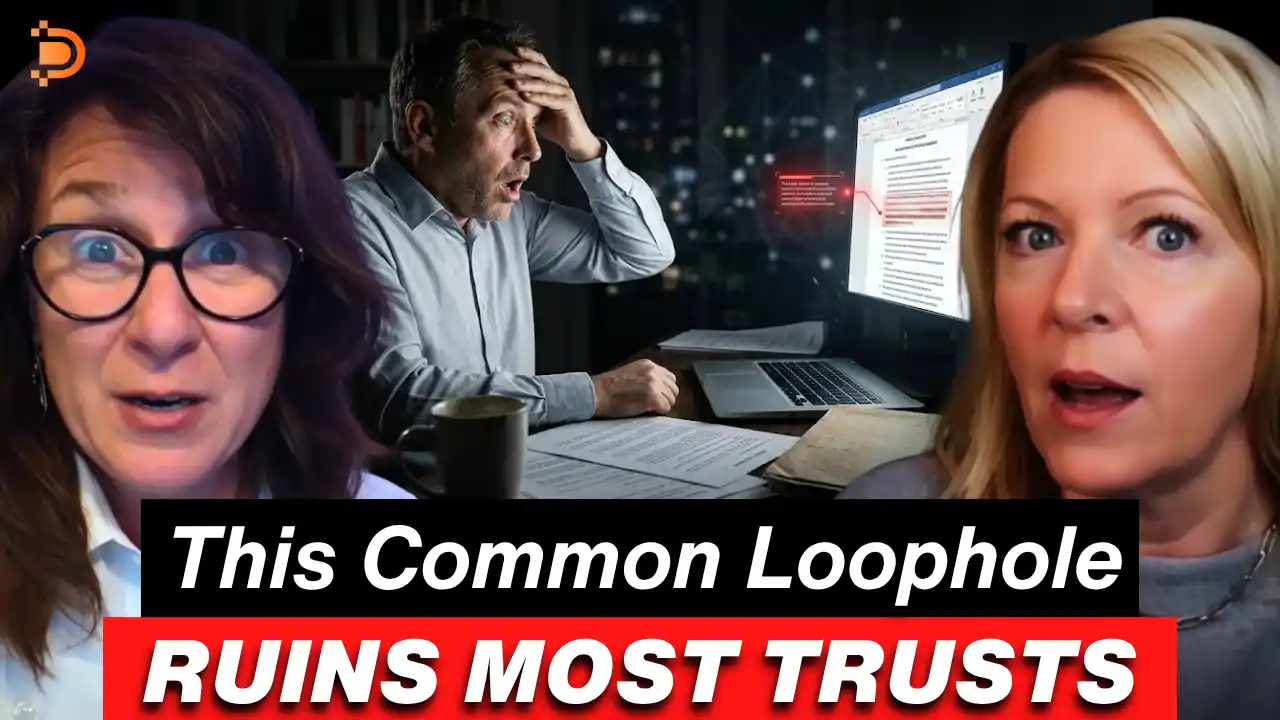
Why traditional trusts often fail to include digital assets and how to button up the parts your attorney might have missed.
How to use "Cartography" to start with your ideal end-of-life outcome and work backward to today's tasks.
Practical language and tone shifts for the "Sandwich Generation" to have sensitive conversations without sounding greedy or angry.
Because a well-planned legacy isn't just about the paperwork you leave behind—it’s about lifting the invisible weight of the "unknown" from your shoulders while you’re still here to enjoy the peace.

Comments