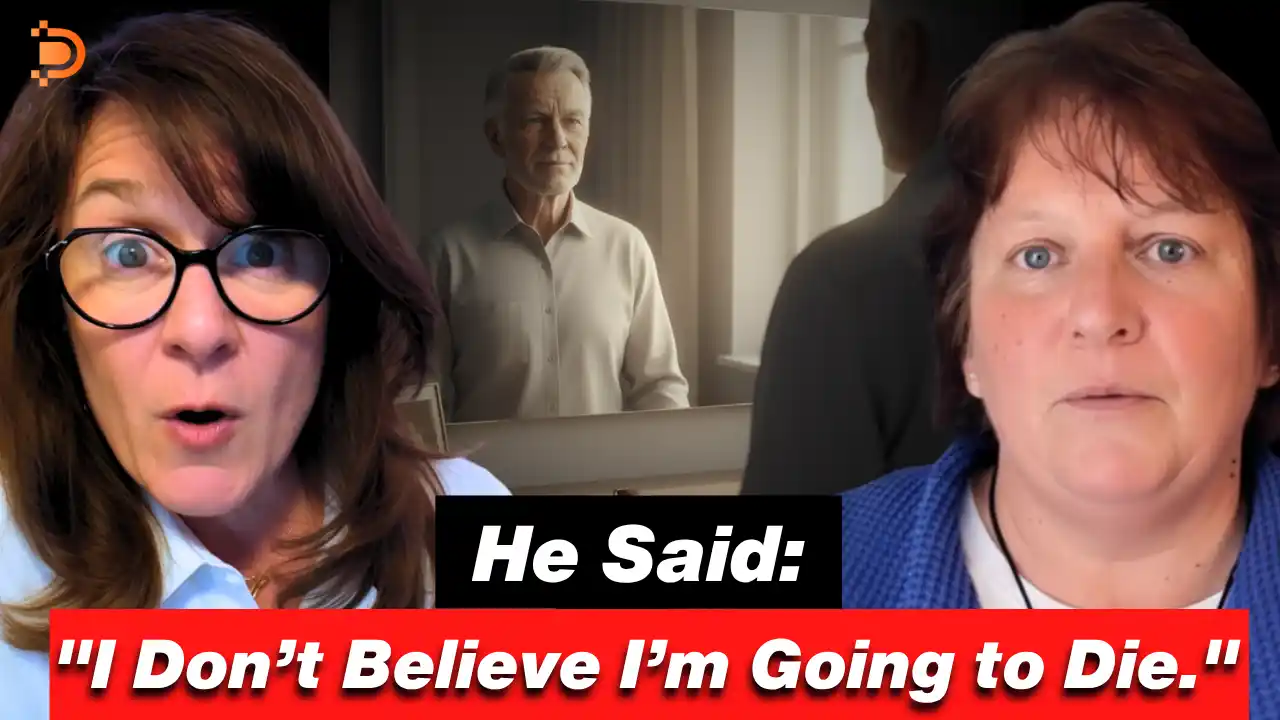
The Conversation No One Wants to Have, Until It’s Too Late | Paula Harris

We all know we should plan for the inevitable — yet most of us avoid it until crisis hits. In this heartfelt episode of the Digital Legacy Podcast, host Niki Weiss sits down with Paula Harris, Financial Advisor and Co-Founder of WH Cornerstone Investments, to explore why so many families delay end-of-life and financial planning — and what happens when they don’t.

0:00
0:00
Advertising will end in
play_arrow
pause
replay_10
forward_10
volume_up
volume_down
volume_off
share
speed
Skip ad
close
close
close
close
close

Description:

We all know we should plan for the inevitable — yet most of us avoid it until crisis hits. In this heartfelt episode of the Digital Legacy Podcast, host Niki Weiss sits down with Paula Harris, Financial Advisor and Co-Founder of WH Cornerstone Investments, to explore why so many families delay end-of-life and financial planning — and what happens when they don’t.

Paula shares deeply personal and professional stories from decades of guiding clients through life transitions, loss, and legacy. Together, she and Niki unpack the emotional roadblocks that keep people from taking action, the financial chaos that can follow, and the peace that comes from planning ahead.

In this episode, we cover:

  • Why families avoid “the conversation” — and how to start it before it’s too late

  • Real-life examples of what happens when there’s no plan in place

  • How caregivers and couples can protect each other financially and emotionally

  • The essential documents every household needs (trusts, wills, healthcare proxies)

  • Simple first steps to move from procrastination to preparation

This episode is a compassionate wake-up call — and a roadmap for anyone ready to take control of their future. Because the hardest conversations are often the ones that bring the most peace.


EndFragment
Related Podcast

Why Talking About Death Actually Makes Life "Shinier" | Peri Rigler

Can the principles of brand strategy and human connection solve the "death grip" of fear that prevents us from planning for the inevitable? In this podcast episode, host Niki Weiss, Digital Thanatologist, sits down with Peri Rigler, a certified Death Doula and former Madison Avenue brand strategist. After a successful career in advertising, Peri pivoted to address a profound cultural gap: the lack of authentic, transparent conversation around the end-of-life journey. You’ll Discover: Why a high-level marketing background is the perfect foundation for "rebranding" death and making difficult topics accessible to the public. An analysis of the "biohacking" movement and why focusing exclusively on living longer often results in a failure to plan for the inescapable end. How early conversations and documented intentions (such as eco-funeral preferences like Terramation) prevent administrative and emotional paralysis for survivors. Utilizing death as a catalyst for human connection and community growth in an increasingly isolated, digital-first world. The distinction between end-of-life planning and grief counseling, and why cross-disciplinary expertise is vital for a holistic legacy. A call for intentional living that balances technological efficiency with the "greatest of these"—human love and presence. "Talking about death is not an obsession with the end; it is a commitment to living a more intentional, focused, and shiny life."

Listen Now
The Prison Hospice Project: Training Inmates for End-of-Life Care | Fernando Murillo

What happens when the "worst thing you’ve ever done" is the only way society defines you, even as you face your final breath? In this moving episode of The Digital Legacy Podcast, host Niki Weiss, Digital Thanatologist, sits down with Fernando Murillo, a lead trainer for the Humane Prison Hospice Project. Fernando shares his remarkable journey from being incarcerated at age 16 to serving as a peer caregiver in California’s prison hospice system for over five years. They explore the "carceral end-of-life crisis," where one in five incarcerated people in the You’ll discover: The reality of the only licensed hospice in the California prison system and how it operates in the face of restrictive carceral laws. Fernando’s philosophy on why kindness and trust are the most valuable assets in the end-of-life journey. How incarcerated caregivers act as scribes and witnesses to the legacies of those society has "swept under the carpet". Why the Humane Prison Hospice Project provides more extensive end-of-life training than many traditional medical schools. The staggering data showing how hospice work fundamentally rehabilitates those providing the care. The new infrastructure being built to provide a dignified "destination" for cancer patients released from prison to die in the community. Because if we can foster compassion and dignity in the most restrictive settings on earth, there is no excuse for not doing it in our own communities.

Listen Now

Comments