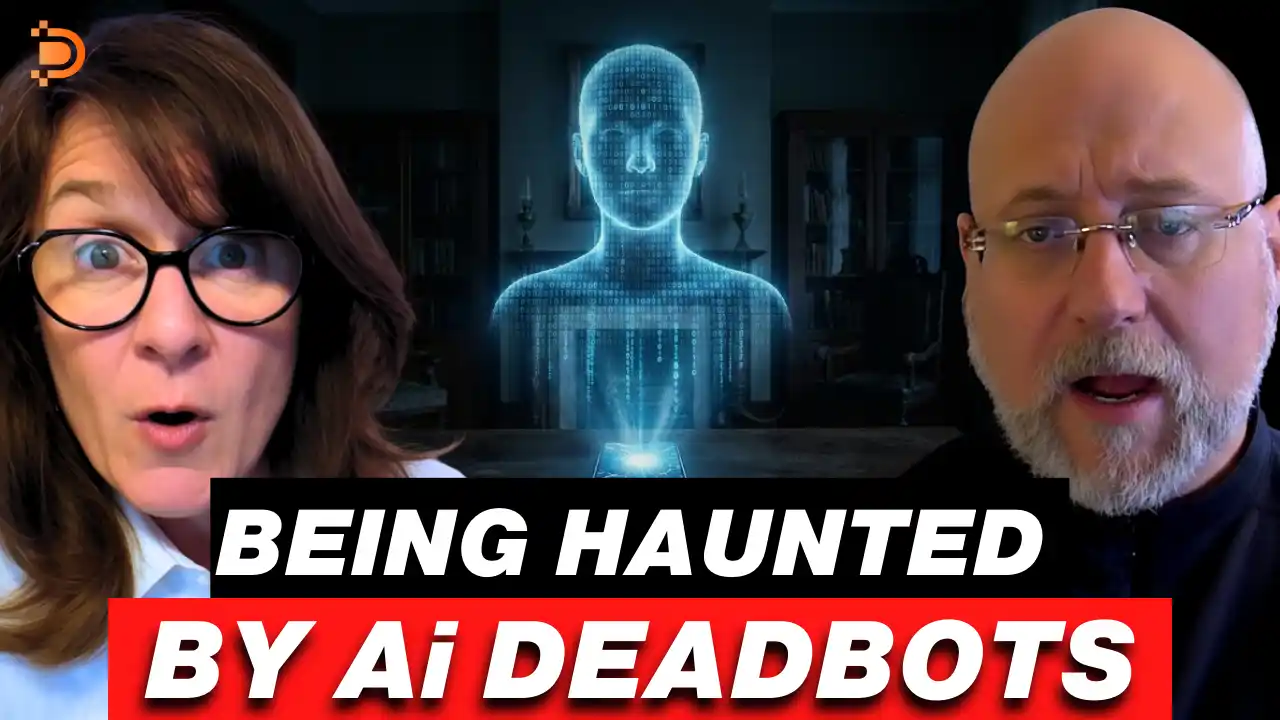
The Rise of AI Deadbots Navigating Death in the Digital Age | Jason Batt

What happens when the "soul" in the machine begins to speak with the voice of someone you’ve lost? In this mind-bending episode of The Digital Legacy Podcast, host Niki Weiss, Digital Thanatologist, sits down with Dr. Jason D. Batt, a technological philosopher, mythologist, and futurist. They dive deep into the ethics of "Dead Bots"—AI avatars trained on the recordings and data of the deceased—and ask whether we are creating a new form of digital haunting. You’ll discover: How AI is being used to recreate the personas of loved ones and the psychological impact of having a "ghost" in your smart home. A discussion on "Model Welfare" and the 5% chance that AI might already be reaching a form of sentience. Reclaiming the mythology of the Greek god of death as a benevolent companion rather than a Marvel villain. Why the philosophy of "scientific materialism" has created a sense of dread, and how to stay open to the mystery of what comes next. The urgent need for legislation around who owns your likeness after death and the potential for "identity drift". Why walking through a physical graveyard or volunteering at a hospice is a necessary antidote to digital fatigue. Because as we build our digital kingdoms, we must ask: are we preserving our legacy, or are we refusing to say goodbye?
0:00
0:00
Advertising will end in
play_arrow
pause
replay_10
forward_10
volume_up
volume_down
volume_off
share
speed
Skip ad
close
close
close
close
close

Description:

What happens when the "soul" in the machine begins to speak with the voice of someone you’ve lost?

In this mind-bending episode of The Digital Legacy Podcast, host Niki Weiss, Digital Thanatologist, sits down with Dr. Jason D. Batt, a technological philosopher, mythologist, and futurist. They dive deep into the ethics of "Dead Bots"—AI avatars trained on the recordings and data of the deceased—and ask whether we are creating a new form of digital haunting.

You’ll discover:

  • How AI is being used to recreate the personas of loved ones and the psychological impact of having a "ghost" in your smart home.

  • A discussion on "Model Welfare" and the 5% chance that AI might already be reaching a form of sentience.

  • Reclaiming the mythology of the Greek god of death as a benevolent companion rather than a Marvel villain.

  • Why the philosophy of "scientific materialism" has created a sense of dread, and how to stay open to the mystery of what comes next.

  • The urgent need for legislation around who owns your likeness after death and the potential for "identity drift".

  • Why walking through a physical graveyard or volunteering at a hospice is a necessary antidote to digital fatigue.

Because as we build our digital kingdoms, we must ask: are we preserving our legacy, or are we refusing to say goodbye?


Related Podcast

The Prison Hospice Project: Training Inmates for End-of-Life Care | Fernando Murillo

What happens when the "worst thing you’ve ever done" is the only way society defines you, even as you face your final breath? In this moving episode of The Digital Legacy Podcast, host Niki Weiss, Digital Thanatologist, sits down with Fernando Murillo, a lead trainer for the Humane Prison Hospice Project. Fernando shares his remarkable journey from being incarcerated at age 16 to serving as a peer caregiver in California’s prison hospice system for over five years. They explore the "carceral end-of-life crisis," where one in five incarcerated people in the You’ll discover: The reality of the only licensed hospice in the California prison system and how it operates in the face of restrictive carceral laws. Fernando’s philosophy on why kindness and trust are the most valuable assets in the end-of-life journey. How incarcerated caregivers act as scribes and witnesses to the legacies of those society has "swept under the carpet". Why the Humane Prison Hospice Project provides more extensive end-of-life training than many traditional medical schools. The staggering data showing how hospice work fundamentally rehabilitates those providing the care. The new infrastructure being built to provide a dignified "destination" for cancer patients released from prison to die in the community. Because if we can foster compassion and dignity in the most restrictive settings on earth, there is no excuse for not doing it in our own communities.

Listen Now
Dying to Learn about Medicare | Sylvia Gordon

In this insightful episode of the Digital Legacy Podcast, host Niki Weiss sits down with Sylvia Gordon, an expert in Medicare, Social Security, and estate planning. With over 30 years of experience, Sylvia shares her journey from being an estate planning attorney to training insurance agents on navigating complex government programs. The conversation dives deep into the challenges of planning for aging, the misconceptions surrounding Medicare and Medicaid, and the stark reality of long-term care costs. Sylvia breaks down the vital aspects of creating a "final playbook"—from wills and trusts to understanding Medicaid’s estate recovery program and long-term care options. She also emphasizes the importance of addressing generational taboos about death and planning while highlighting practical solutions like life insurance with living benefits. Listeners will gain invaluable advice, including how to start conversations with loved ones about end-of-life planning, the importance of dental care in retirement, and navigating the confusing landscape of Medicare. Sylvia’s passion for empowering others to take control of their futures shines through in every word. Whether you're planning your own future, caring for aging parents, or simply looking to understand how to better prepare for life's inevitable stages, this episode is packed with practical advice, actionable insights, and compassionate guidance. Don’t miss this essential conversation about creating peace of mind for yourself and those you love. Learn more from Sylvia at TheMedicareFamily.com Find additional resources for End-of-Life planning at DigitalLegacyPodcast.com

Listen Now

Comments