
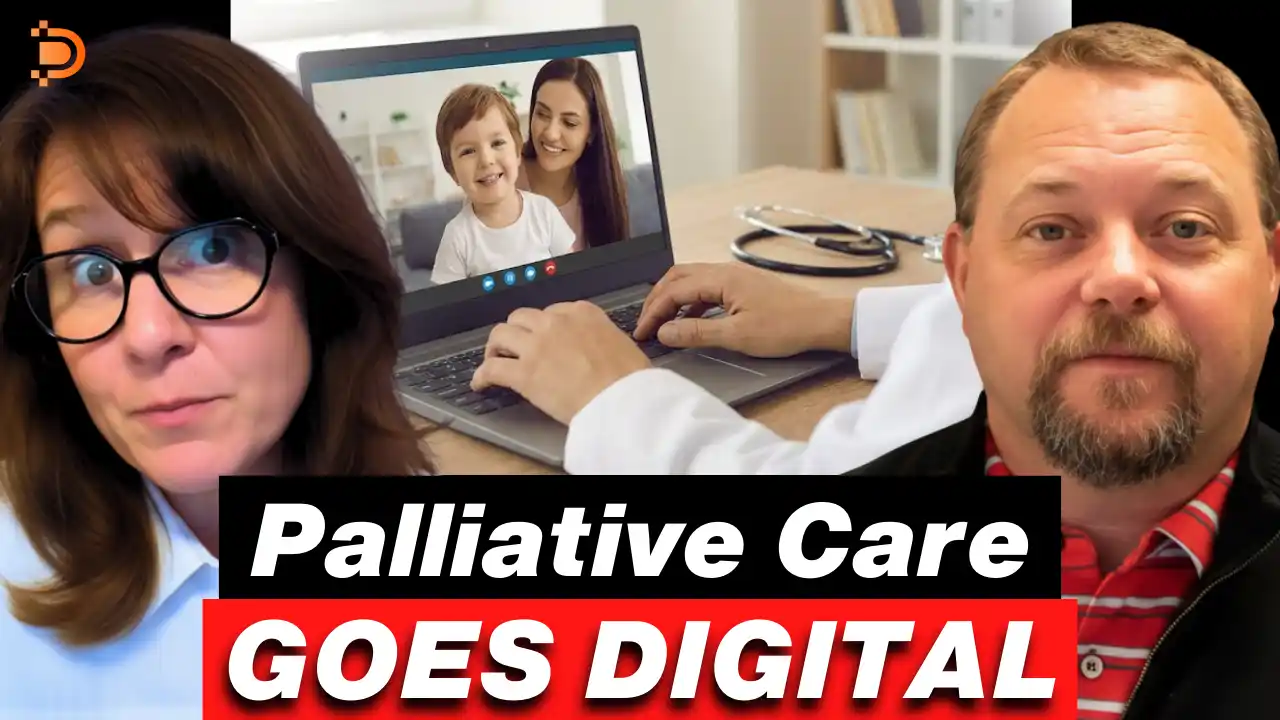
What Actually Happens in Pediatric Palliative Care | Dr. Justin Baker
What happens when the "best day possible" is also a family's darkest moment? In this moving and high-stakes episode of The Digital Legacy Podcast, host Niki Weiss, Digital Thanatologist, sits down with Dr. Justin Baker, Director of Pediatric Palliative Care at Stanford University. They peel back the curtain on a reality many refuse to acknowledge: that children, too, face serious illness, and that palliative care isn't about giving up—it’s about the fierce pursuit of quality of life. You’ll discover: Why pediatric palliative care is redefined as "Quality of Life for All" (Q-O-L-A) rather than just end-of-life care. How pediatric patients under 21 can receive both curative treatments and hospice support—a vital distinction from adult medicine. Why 50% of palliative care is now digital, allowing children to receive expert mental and medical support from their own couches. Navigating the heart-wrenching space where every choice feels like a "least bad" decision. How early psychosocial intervention helps brothers and sisters build a narrative of resilience before and after a loss. Why 70% of pediatric palliative patients are alive one year after their first consult, and the new challenge of transitioning them into adult care. Because even in the most horrific circumstances, every day deserves a chance to be the best day possible.
Description:
What happens when the "best day possible" is also a family's darkest moment?
In this moving and high-stakes episode of The Digital Legacy Podcast, host Niki Weiss, Digital Thanatologist, sits down with Dr. Justin Baker, Director of Pediatric Palliative Care at Stanford University. They peel back the curtain on a reality many refuse to acknowledge: that children, too, face serious illness, and that palliative care isn't about giving up—it’s about the fierce pursuit of quality of life.
You’ll discover:
Why pediatric palliative care is redefined as "Quality of Life for All" (Q-O-L-A) rather than just end-of-life care.
How pediatric patients under 21 can receive both curative treatments and hospice support—a vital distinction from adult medicine.
Why 50% of palliative care is now digital, allowing children to receive expert mental and medical support from their own couches.
Navigating the heart-wrenching space where every choice feels like a "least bad" decision.
How early psychosocial intervention helps brothers and sisters build a narrative of resilience before and after a loss.
Why 70% of pediatric palliative patients are alive one year after their first consult, and the new challenge of transitioning them into adult care.
Because even in the most horrific circumstances, every day deserves a chance to be the best day possible.



Comments