
A Gentler Goodbye: The Science and Compassion Behind Virtual Autopsies
Losing a loved one is always a profoundly difficult experience. When a death occurs under sudden or unclear circumstances, families are often asked to wait for a medical investigation. Navigating the legal and medical maze of a required autopsy can feel overwhelming. It adds immense anxiety to an already heartbreaking day. Recently, Niki Weiss sat down with Dr. Hemanth Naik on the Digital Legacy Podcast. Dr. Naik is the Chief Medical Officer of Virtual Autopsy UK, a medical tech company transforming post-mortem imaging. His insights reveal how new technology is giving families the gift of time, privacy, and profound respect during their darkest hours. The Gift of Time for Grieving Families When an investigation is required, a standard post-mortem examination can be a lengthy process. Sometimes, a single autopsy takes several hours to complete. If a mortuary facility is busy, a family might have to wait several days just to clear the backlog of cases before they can bring their loved one home. Virtual autopsies completely change this timeline. Dr. Naik explains that a full-body scan takes roughly two minutes. Within just fifteen to twenty minutes, medical professionals can review the digital data and reach a clear conclusion. This incredible speed provides immediate relief for grieving relatives. Families no longer have to spend entire days waiting anxiously outside a mortuary building. They can receive their loved one quickly and even hold a burial service on the very same day. How the "No Scalpel" Technology Works
About This Blog
Losing a loved one is always a profoundly difficult experience. When a death occurs under sudden or unclear circumstances, families are often asked to wait for a medical investigation. Navigating the legal and medical maze of a required autopsy can feel overwhelming. It adds immense anxiety to an already heartbreaking day.
Recently, Niki Weiss sat down with Dr. Hemanth Naik on the Digital Legacy Podcast. Dr. Naik is the Chief Medical Officer of Virtual Autopsy UK, a medical tech company transforming post-mortem imaging. His insights reveal how new technology is giving families the gift of time, privacy, and profound respect during their darkest hours.
The Gift of Time for Grieving Families
When an investigation is required, a standard post-mortem examination can be a lengthy process. Sometimes, a single autopsy takes several hours to complete. If a mortuary facility is busy, a family might have to wait several days just to clear the backlog of cases before they can bring their loved one home.
Virtual autopsies completely change this timeline. Dr. Naik explains that a full-body scan takes roughly two minutes. Within just fifteen to twenty minutes, medical professionals can review the digital data and reach a clear conclusion.
This incredible speed provides immediate relief for grieving relatives. Families no longer have to spend entire days waiting anxiously outside a mortuary building. They can receive their loved one quickly and even hold a burial service on the very same day.
How the "No Scalpel" Technology Works
The traditional method of determining a cause of death requires a doctor to physically open the body. This involves opening the skull cavity to examine the brain, and the chest cavity to review the heart and lungs. Doctors must also open the abdomen to inspect the stomach, liver, and spleen.
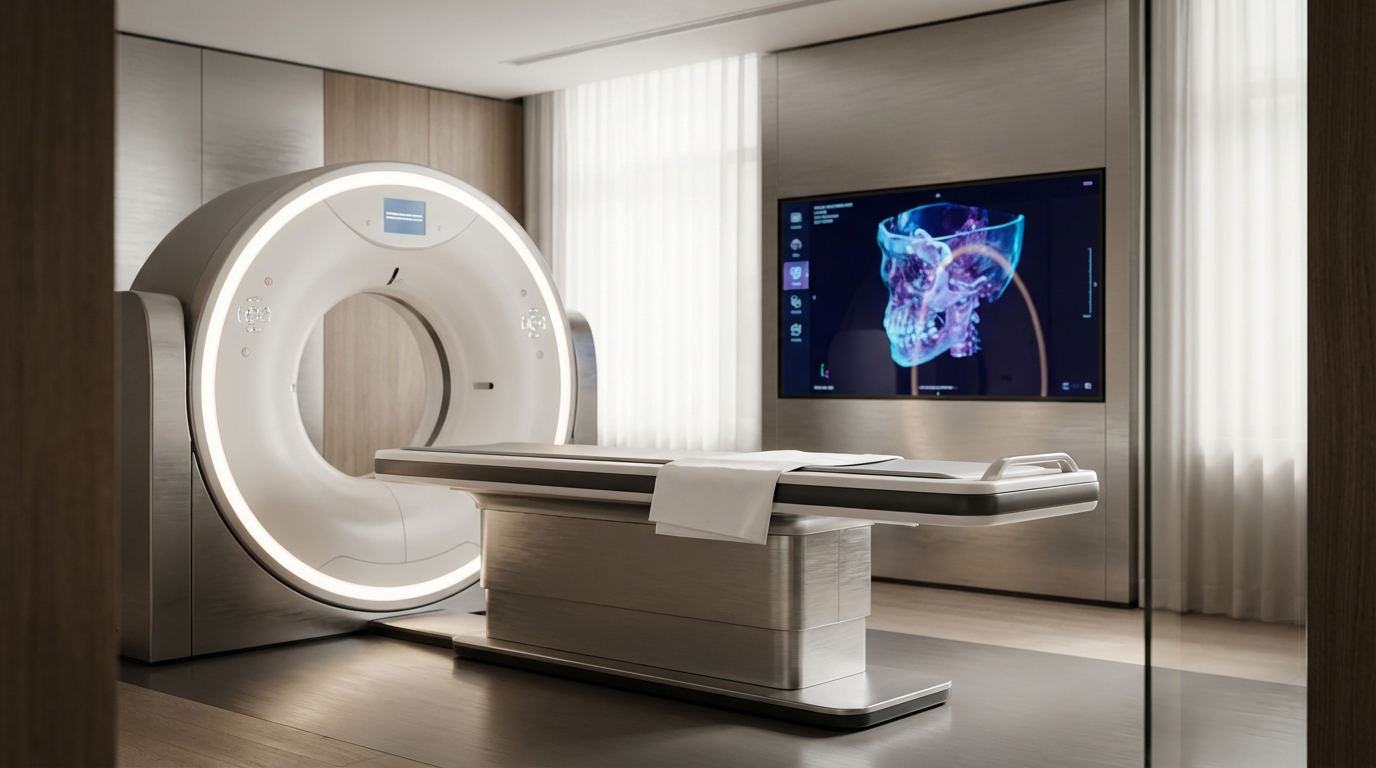
Virtual autopsies rely on a highly advanced approach. The medical team uses a high-tech CT scanner to capture detailed data from head to toe. This information is uploaded into proprietary software designed specifically for forensic analysis.
With a single click of a button, doctors can transition their digital view from the skin layer directly to the bone layer. If a physical tissue sample is truly necessary, doctors can perform a minimally invasive biopsy instead of a major surgical procedure. It is effectively a "no scalpel" post-mortem examination.
Empowering Doctors Through Education
Any major shift in medicine requires patience and education. In 2017, many professionals thought this technology sounded like science fiction. Pathologists were accustomed to their traditional methods and initially doubted the digital process.
Doctors raised valid concerns, wondering how they could accurately weigh an organ or measure blood volume without physically holding it. Dr. Naik and his team listened carefully. They addressed this by building a program that automatically calculates the exact volume and weight of internal organs.
To build confidence, the company launched a rigorous global training program. Since 2022, they have successfully trained over 350 doctors in countries like India, Malaysia, Romania, and the UK. By educating professionals, they are ensuring that families everywhere will soon have access to this gentler alternative.
The Future of Forensic Care: Artificial Intelligence
The technology is continuously evolving to provide even faster answers. Dr. Naik shared that an upcoming software release will introduce advanced artificial intelligence to the process.
This new AI can independently identify lung diseases, such as pneumonia or fibrosis, making diagnosis incredibly efficient. It also features automatic metal tracking. In tragic circumstances involving a gunshot, the software can locate a bullet fragment within 0.3 milliseconds and guide a biopsy tool right to it.
However, the human element remains completely vital. Dr. Naik emphasizes that AI will never replace a human doctor. The AI serves purely as an assisting tool, while a trained, compassionate pathologist retains all legal responsibility for the final medical report.
Changing Global Legal Systems
Adopting this technology requires more than just medical approval. It requires shifting entire legal frameworks. Medical evidence must be admissible and trusted in a court of law to maintain the chain of custody.
Dr. Naik noted that this takes incredible persistence. For example, it took nearly four years for the government of Kazakhstan to update their medical-legal laws. Today, they successfully accept virtual autopsy reports as official, admissible court evidence.
These digital reports are highly secure. They provide undeniable proof for legal investigations while preserving the physical dignity of the person who passed away.
Small Steps Toward Meaningful Change
Dr. Naik is deeply inspired by Mahatma Gandhi's philosophy to be the change you wish to see in the world. Virtual autopsies prove that we do not have to accept outdated practices when better, more compassionate options exist.
While we cannot control life's unexpected tragedies, we can choose to prepare our families with knowledge. Consider taking these simple steps this week:
Start a Dialogue: Talk to your family about their end-of-life wishes, including their thoughts on medical care and post-mortem procedures.
Document Your Preferences: Ensure your legal paperwork clearly states your religious and personal beliefs regarding physical remains.
Explore Your Resources: Understand the medical and legal resources available in your community so you are prepared for the unexpected.
Take the Next Step: Start Planning with My Final Playbook


Related Blog
Duis mi velit, auctor vitae leo a, luctus congue dolor. Nullam at velit quis tortor malesuada ultrices vitae vitae lacus. Curabitur tortor purus, tempor in dignissim eget, convallis in lorem.
Comments