
Redefining Dignity: How Virtual Autopsy is Revolutionizing how we investigate death.
The reality of death is a universal truth, yet our approach to it, particularly after a sudden or unexpected loss, often remains shrouded in traditional, and sometimes invasive, practices. For many families facing the unimaginable grief of losing a loved one, the concept of an autopsy adds another layer of distress, raising concerns about the sanctity and integrity of the departed. But what if there was another way? What if technology could offer a path to understanding without violating deeply held beliefs or adding to a family's emotional burden? This compelling question formed the heart of a recent conversation between Niki Weiss on the Digital Legacy Podcast and Ash Govind, CoFounder of Virtual Autopsy UK. The Inception of a Humanitarian Innovation Ash’s journey into the world of virtual autopsies began over a decade ago, a meeting of minds with a leading forensic pathologist. Their shared observation was stark: the practice of autopsy, for all its scientific necessity, had largely resisted modernization. It still largely revolved around the "desecration and dissection of human remains," a harsh reality for grieving families. This sparked a crucial question: Could technology replace the scalpel with innovation? Ash explained that the instrument needing an upgrade was essentially the scalpel itself. Inspired by the rapid evolution of technology in other areas of life, from wired telephones to powerful smartphones, they envisioned a way to "Xerox the deceased" using advanced CT scanning. This process would generate comprehensive data, allowing for a 3D reconstruction of the remains for analysis, all without invasive procedures.
About This Blog
The reality of death is a universal truth, yet our approach to it, particularly after a sudden or unexpected loss, often remains shrouded in traditional, and sometimes invasive, practices. For many families facing the unimaginable grief of losing a loved one, the concept of an autopsy adds another layer of distress, raising concerns about the sanctity and integrity of the departed.
But what if there was another way? What if technology could offer a path to understanding without violating deeply held beliefs or adding to a family's emotional burden? This compelling question formed the heart of a recent conversation between Niki Weiss on the Digital Legacy Podcast and Ash Govind, CoFounder of Virtual Autopsy UK.
The Inception of a Humanitarian Innovation
Ash’s journey into the world of virtual autopsies began over a decade ago, a meeting of minds with a leading forensic pathologist. Their shared observation was stark: the practice of autopsy, for all its scientific necessity, had largely resisted modernization. It still largely revolved around the "desecration and dissection of human remains," a harsh reality for grieving families. This sparked a crucial question: Could technology replace the scalpel with innovation?
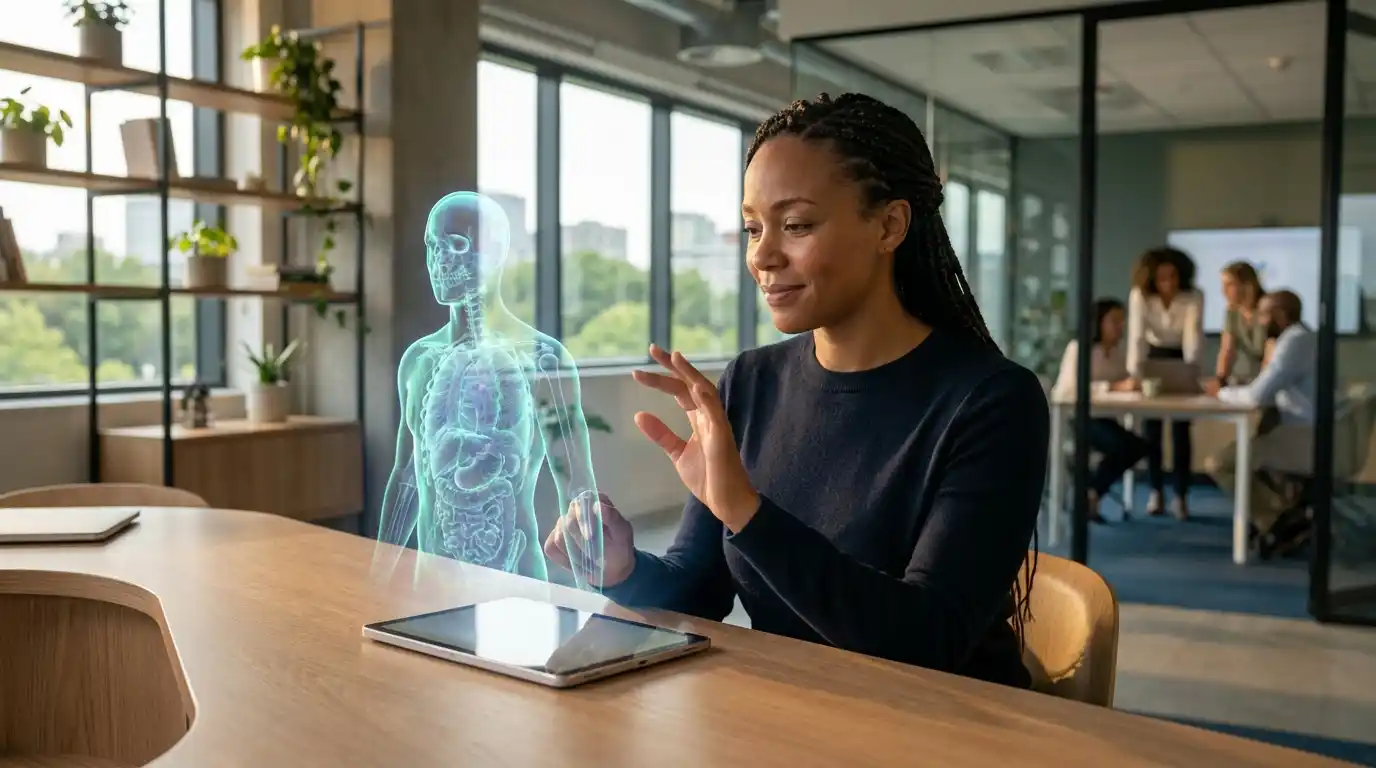
Ash explained that the instrument needing an upgrade was essentially the scalpel itself. Inspired by the rapid evolution of technology in other areas of life, from wired telephones to powerful smartphones, they envisioned a way to "Xerox the deceased" using advanced CT scanning. This process would generate comprehensive data, allowing for a 3D reconstruction of the remains for analysis, all without invasive procedures.
Beyond Science: A Human-Centric Approach
While the scientific benefits of this non-invasive approach are clear, Ash emphasized that the innovation was driven by a more humanitarian purpose. He highlighted a critical aspect often overlooked: the profound distress and sometimes religious objections many families have to traditional autopsies.
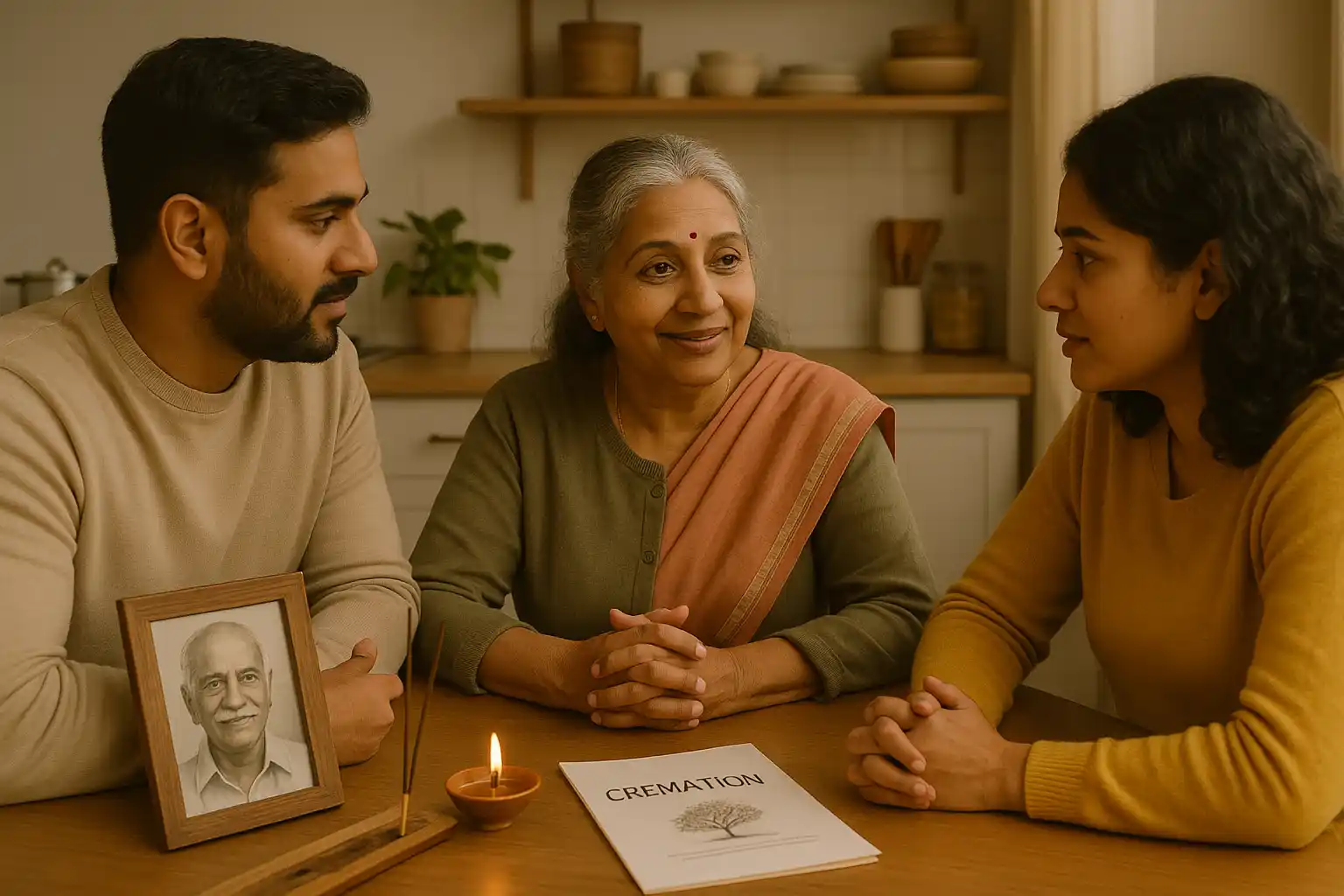
For faiths like Islam and Judaism, interfering with the deceased after death is prohibited, and burial must occur as quickly as possible. Virtual autopsy addresses this directly. By rapidly scanning the deceased, a probable cause of death can be determined and reported swiftly, allowing families to proceed with burial in accordance with their religious observations. This consideration showcases a deeply respectful and human-centric design philosophy.
The Trauma of the Unexpected
Ash underscored the emotional landscape surrounding sudden deaths. He noted that autopsies are typically required for deaths that are "unnaturally, unexpectedly, suddenly, and suspiciously" occurred. Each of these circumstances carries an inherent element of trauma. It's not the anticipated passing of an elderly loved one, but an unforeseen loss that plunges families into psychological distress.
In these sensitive situations, the invasiveness of a traditional autopsy can compound grief. Ash, drawing from 35 years in the funeral sector, spoke candidly about the challenges funeral directors face in preparing remains after an autopsy. He described the "Y incision" or "I incision" on the torso, and the cranial opening to access the brain, explaining how these procedures, while necessary for traditional examination, can be deeply distressing for families who wish to view their loved one in an intact state.
These visible incisions can leave an "emotional scar and trauma" on families, impacting their lasting memories. Virtual autopsy, by eliminating these incisions, offers a more dignified and less intrusive option.
Overcoming Resistance and Turbocharging Technology
Niki rightly pointed out that CT scans and MRI machines have been around for decades, prompting the question of why this innovative approach hadn't gained wider traction sooner. Ash clarified that while post-mortem CT (PMCT) has existed in a "relatively primitive state" for some time, it lacked the "definition, usability, and functionality" that Virtual Autopsy UK has developed. Their team has turbocharged the technology over the last decade, making it truly fit for purpose within forensic medicine.
He gave immense credit to institutions that previously explored this area, acknowledging that "every step makes it better for the deceased." The goal was to reach a standard where forensic pathologists and radiologists could confidently say, "actually it's fit for purpose. It does the job."
The Power of AI: Assistance, Not Replacement
The conversation naturally turned to the accelerating advancements in artificial intelligence. Ash, while cautious, outlined how AI is beginning to assist in virtual autopsies. He emphasized a principle of responsible use: AI is there to help "validate instincts, findings, and what you see," not to replace the expert human element.
For instance, AI can flag anomalies in 3D images, guiding radiologists more efficiently through the vast amounts of data. This is achieved through the AI's learning from "hundreds and hundreds of thousands of datasets." Similarly, AI can assist pathologists in compiling reports by learning their terminology and style, significantly speeding up the process. However, Ash firmly stated that "the responsibility will always stay with the forensic pathologist." AI serves as an "acid test," making the process more efficient without fostering laziness.
A Movement for Change
Ash concluded with a powerful call to action: "We need people to create change.” He believes that raising awareness about the existence of virtual autopsy technology is paramount. Families facing the difficult decision of an autopsy should feel empowered to ask, "Is there an alternative? Is there something different out there that could be done?"
This is not a theoretical concept; the technology is well-tested, globally accepted, and its radiological evidence is admissible in courts of law. In the UK alone, nearly 15,000 cases per year are concluded using post-mortem imaging. This translates to 15,000 people, as far as I'm concerned, that we've saved from going through that anguish and trauma.
Virtual autopsy is more than just technological advancement, it represents a profound humanistic shift in end-of-life care. It offers dignity and respect in death, a gift that technology can truly provide.
Taking Action:
Educate Yourself: Learn more about virtual autopsy and its benefits. Knowledge empowers you to make informed decisions.
Advocate for Alternatives: If faced with the need for an autopsy for a loved one, inquire about less invasive options like virtual autopsy.
Share the Knowledge: Help spread awareness within your community about this innovative approach to post-mortem examination.
To learn more about this groundbreaking technology and its impact, visit Virtual Autopsy UK and listen to the full episode on the Digital Legacy Podcast.
Take the Next Step: Start Planning with My Final Playbook


Related Blog
Duis mi velit, auctor vitae leo a, luctus congue dolor. Nullam at velit quis tortor malesuada ultrices vitae vitae lacus. Curabitur tortor purus, tempor in dignissim eget, convallis in lorem.


Comments