
Behind the Scenes at a Modern Funeral Home: Revolutionizing End-of-Life Planning
In today's rapidly evolving world, even the most traditional industries are undergoing significant transformations. One such industry that's experiencing a remarkable shift is the funeral service sector. Gone are the days of somber, cookie-cutter funerals held in dimly lit parlors. Today's funeral homes are embracing technology, personalization, and innovative approaches to help families create meaningful farewells for their loved ones.

About This Blog
In today's rapidly evolving world, even the most traditional industries are undergoing significant transformations. One such industry that's experiencing a remarkable shift is the funeral service sector. Gone are the days of somber, cookie-cutter funerals held in dimly lit parlors. Today's funeral homes are embracing technology, personalization, and innovative approaches to help families create meaningful farewells for their loved ones.
To shed light on these exciting changes, we're joined by Matthew J. Grieco, a seasoned funeral director with 25 years of experience in the field. Matt is at the forefront of modernizing the funeral industry, bringing a fresh perspective to end-of-life planning. His insights offer a unique glimpse into how funeral homes are adapting to meet the changing needs and preferences of today's families.
In this blog post, we'll explore the evolving world of end-of-life planning, discover how technology is transforming the way we say goodbye, and learn about innovative options that are revolutionizing the industry. Whether you're planning ahead for yourself or supporting a loved one, this information will forever change how you view life's final chapter.
The Modern Funeral Home: More Than Meets the Eye
When you think of a funeral home, what comes to mind? If you're picturing a somber, dark space filled with uncomfortable chairs and heavy curtains, prepare to have your preconceptions shattered. Today's funeral homes are breaking the mold, offering spaces that feel more like upscale event centers or hotel conference rooms than traditional funeral parlors.
Matthew J. Grieco's funeral home is a prime example of this shift. Upon entering, visitors are greeted by a bright, open space designed to feel welcoming and comforting. The main event room is a versatile space that can be configured to suit a variety of needs, from traditional religious services to more contemporary life celebrations. This flexibility allows families to create an atmosphere that truly reflects their loved one's personality and preferences.
Perhaps the most striking feature of this modern funeral home is its embrace of technology. The event room is equipped with multiple screens that can display photo montages and video tributes, bringing the deceased's life story to the forefront of the celebration. This multimedia approach allows families to share cherished memories and showcase their loved one's passions and accomplishments in a dynamic and engaging way.
Technology: Transforming the Farewell Experience
In an age where we document our lives through social media and digital photos, it's only natural that technology would find its way into our final farewells. Matthew J. Grieco's Funeral Home is at the forefront of this technological revolution, offering a range of high-tech options to enhance the memorial experience.
One of the most significant innovations is the ability to webcast funeral services. This feature has become increasingly popular, especially in the wake of the COVID-19 pandemic.
Webcasting allows friends and family members who can't attend in person to participate in the service remotely, ensuring that distance is no longer a barrier to saying goodbye. The funeral home's advanced sound and visual systems ensure that online attendees can see and hear the service clearly, creating a sense of connection despite the physical distance.
Another technological advancement is the use of interactive memory displays. These digital installations allow families to create personalized tributes that go beyond traditional photo collages or guest books. Attendees can interact with touchscreens to view photos, watch videos, and even leave their own memories or messages for the family. This interactive element not only provides a more engaging experience for guests but also creates a lasting digital memorial that families can revisit and cherish for years to come.
Innovative Options: Reimagining the Afterlife
As society becomes more environmentally conscious and individuals seek more personalized ways to be remembered, the funeral industry is responding with a range of innovative options. These new approaches to handling remains and creating memorials are revolutionizing the way we think about the afterlife.
One such innovation is the concept of solidified remains, also known as "parting stones." This process transforms cremated ashes into smooth, stone-like objects that families can keep, display, or even incorporate into jewelry. Unlike traditional urns, which some people find uncomfortable to display, these stones provide a tangible, aesthetically pleasing way to keep a loved one close.
For those with a green thumb or a love of nature, there are now options to have cremated remains incorporated into the growth of a tree. Special biodegradable urns contain a mix of ashes, soil, and seeds, allowing the deceased to quite literally become part of new life. This eco-friendly option appeals to those who want their final resting place to contribute to the environment.
Personalization: Creating Meaningful Goodbyes
Perhaps the most significant trend in modern funeral planning is the move towards highly personalized services. Today's funeral directors, like Matthew J. Grieco, act more as event planners, working closely with families to create unique, meaningful celebrations of life that truly reflect the deceased's personality and passions.
This personalization extends to every aspect of the funeral or memorial service. For example, instead of traditional floral arrangements, families might choose to display items that represent the deceased's hobbies or interests. A music lover's service might feature a display of their favorite vinyl records, while a sports enthusiast's memorial might include team memorabilia or even have guests wear team colors.
Even the dress code for these events is becoming more personalized. Gone are the days when somber black attire was the only acceptable option. Now, families might request that guests wear the deceased's favorite color or even come dressed in themed attire that reflects a passion or interest. For instance, a Jimmy Buffett fan's memorial might encourage attendees to wear their favorite tropical shirts, creating a more celebratory atmosphere that honors the individual's zest for life.
Pre-Planning: Taking Control of Your Final Chapter
One of the most valuable services offered by modern funeral homes is pre-planning assistance. Matthew J. Grieco emphasizes the importance of discussing end-of-life wishes with loved ones and documenting preferences in advance. This proactive approach can alleviate stress for families during an already difficult time and ensure that final wishes are respected.
Pre-planning involves more than just choosing between burial and cremation. It's an opportunity to think deeply about how you want to be remembered and what kind of farewell would best reflect your life and values. Modern funeral homes offer extensive resources to guide individuals through this process, helping them consider options they might not have known existed.
An important aspect of pre-planning is the option to pre-fund funeral arrangements. This allows individuals to lock in today's prices for future services, protecting their families from potential cost increases. Pre-funding can also provide peace of mind, knowing that financial arrangements are in place and won't burden loved ones during a time of grief.
Here are some key benefits of pre-planning your funeral arrangements:
- Ensures your final wishes are known and respected
- Relieves your family of the burden of making difficult decisions during a time of grief
- Allows you to lock in current prices, potentially saving money in the long run
- Provides an opportunity to create a personalized, meaningful farewell
- Gives you peace of mind, knowing everything is arranged according to your preferences
Embracing a New Perspective on Life's Final Chapter
As we've explored in this blog post, the funeral industry is undergoing a remarkable transformation. From high-tech memorial services to eco-friendly burial options, there are now more ways than ever to create a meaningful, personalized farewell. These innovations are not just changing how we say goodbye; they're encouraging us to think differently about death and remembrance.
By embracing these new approaches, we have the opportunity to turn what was once a somber, dreaded event into a true celebration of life. We can create experiences that comfort the grieving, honor the deceased, and even inspire the living to reflect on their own legacies.
If you haven't already, consider taking the time to think about your own end-of-life preferences. Have open, honest conversations with your loved ones about your wishes. Explore the innovative options available in your area. By doing so, you're not only ensuring that your final farewell will be a true reflection of your life and values, but you're also giving your loved ones the invaluable gift of clarity and peace of mind during what will undoubtedly be a difficult time.
Remember, planning for the end of life isn't about dwelling on death—it's about taking control of your legacy and ensuring that your final chapter is written exactly as you'd like it to be. So why not start that conversation today? Your future self—and your loved ones—will thank you for it.
Guest resources:
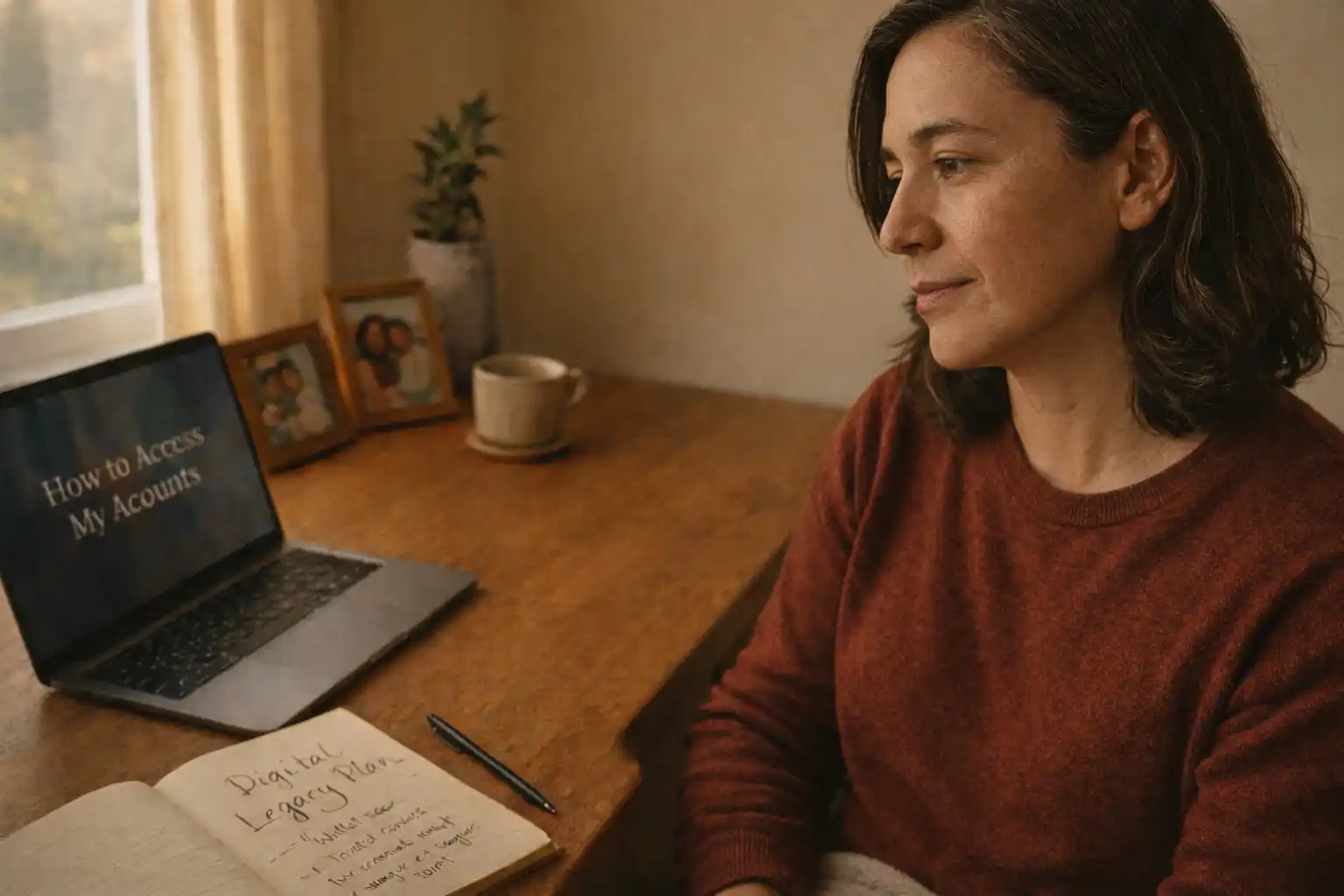
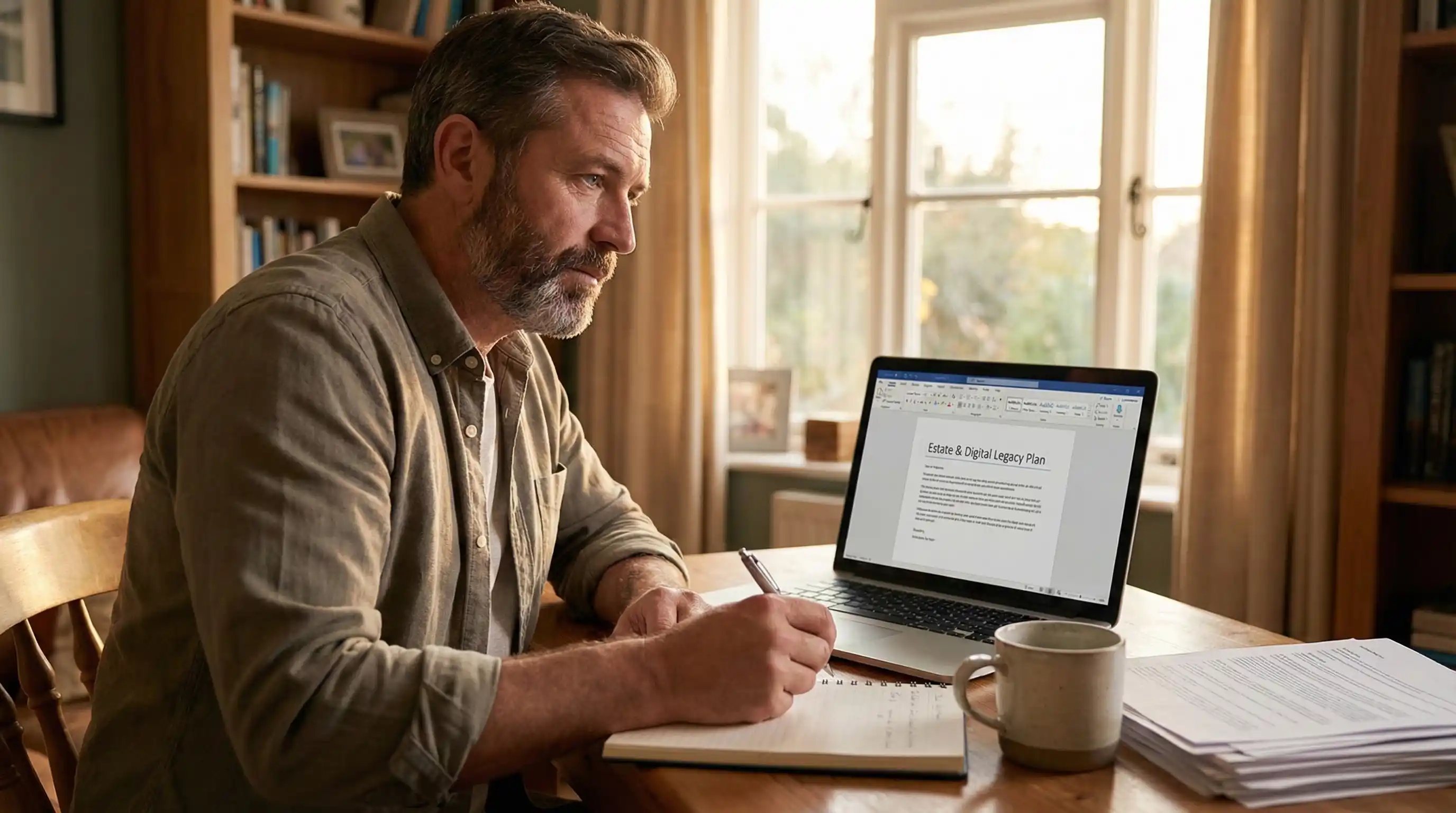
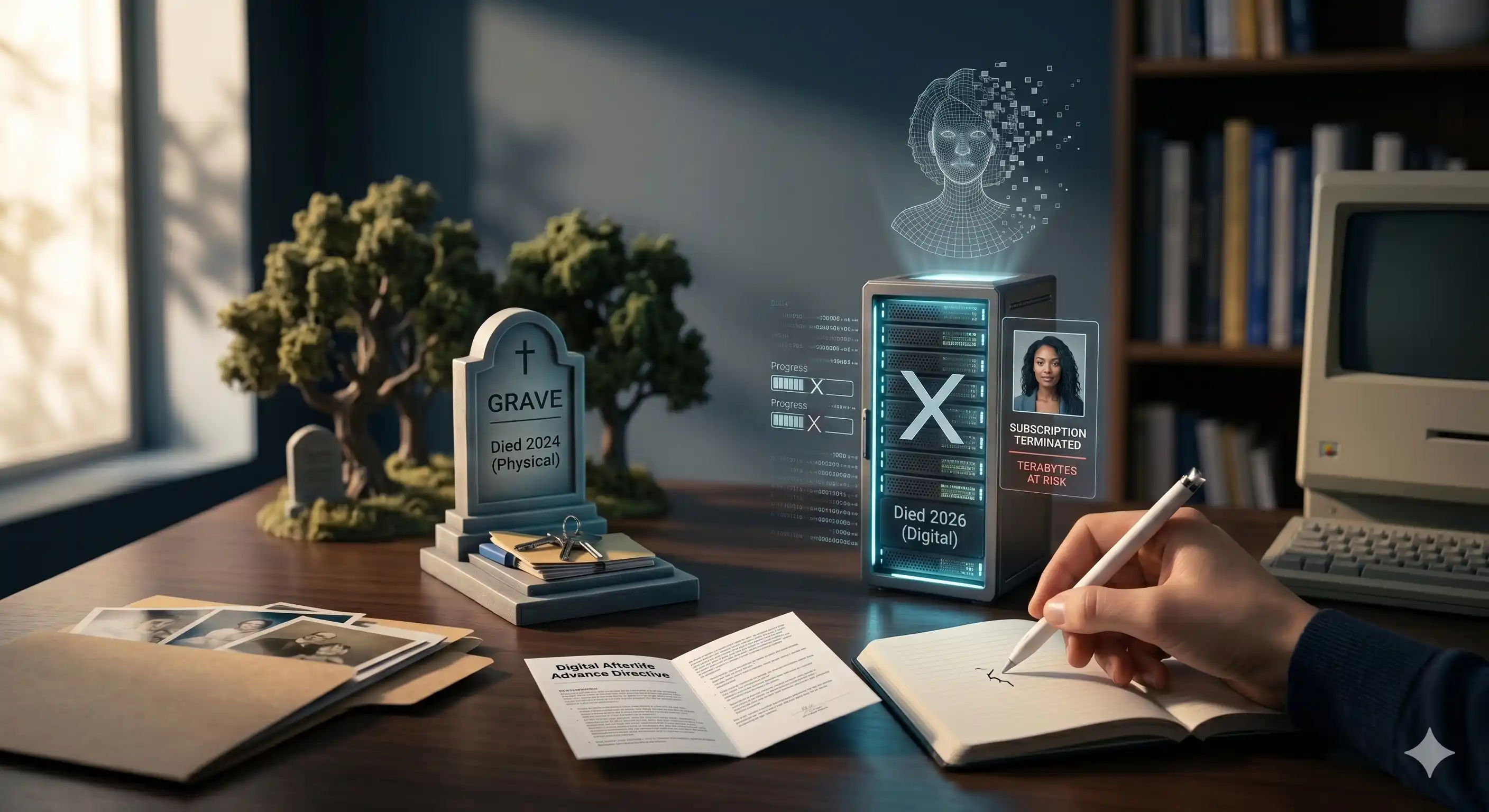
Don't leave any pieces of your legacy to chance. As a next step, you can start and develop your plan by downloading the app, My Final Playbook Through this app, you'll be able to start and learn how to organize your legal, financial, physical, and digital assets today.
In the digital age, planning your legacy is just a click away. Until then, keep your password safe and your playbook up to date.
Related Blog
Duis mi velit, auctor vitae leo a, luctus congue dolor. Nullam at velit quis tortor malesuada ultrices vitae vitae lacus. Curabitur tortor purus, tempor in dignissim eget, convallis in lorem.

Comments