
The Silent Gift: Michelle Carter on Planning for Life's Final Chapter
Life, with all its beautiful unpredictability, often steers us away from contemplating its inevitable end. Yet, the wisdom shared by those who navigate these profound moments reminds us that engaging with end-of-life planning is not about dwelling on loss, but about cherishing life and protecting those we love. Michelle Carter, widely known as "The Death Expert," recently sat down with Niki Weiss on the Digital Legacy Podcast to illuminate this often-avoided subject. Her insights, drawn from generations of experience, offer a compassionate and practical approach to preparing for life’s final chapter. From Funeral Home to End-of-Life Coach: A Generational Journey Michelle Carter's journey into end-of-life care is not just professional, it's deeply personal and generational. As a third-generation funeral director, she witnessed firsthand the preventable distress families experienced during times of profound grief. Her grandfather, a World War II mortuary unit veteran, laid the foundation, passing the legacy to Michelle's father. While the family business eventually shifted, Michelle's calling remained. Driven by a desire to prevent families from making the same costly and emotionally draining mistakes, she transitioned from day-to-day funeral work to a groundbreaking new role: end-of-life coaching. This shift allowed her to address the core issues long before a crisis hits. Her company, aptly named The Death Expert, was born from a client's heartfelt recommendation.
About This Blog
Life, with all its beautiful unpredictability, often steers us away from contemplating its inevitable end. Yet, the wisdom shared by those who navigate these profound moments reminds us that engaging with end-of-life planning is not about dwelling on loss, but about cherishing life and protecting those we love. Michelle Carter, widely known as "The Death Expert," recently sat down with Niki Weiss on the Digital Legacy Podcast to illuminate this often-avoided subject. Her insights, drawn from generations of experience, offer a compassionate and practical approach to preparing for life’s final chapter.
From Funeral Home to End-of-Life Coach: A Generational Journey
Michelle Carter's journey into end-of-life care is not just professional, it's deeply personal and generational. As a third-generation funeral director, she witnessed firsthand the preventable distress families experienced during times of profound grief. Her grandfather, a World War II mortuary unit veteran, laid the foundation, passing the legacy to Michelle's father. While the family business eventually shifted, Michelle's calling remained.
Driven by a desire to prevent families from making the same costly and emotionally draining mistakes, she transitioned from day-to-day funeral work to a groundbreaking new role: end-of-life coaching. This shift allowed her to address the core issues long before a crisis hits. Her company, aptly named The Death Expert, was born from a client's heartfelt recommendation.
The Holistic View: Beyond Legal and Financial
Michelle emphasizes that end-of-life planning is far more than just drafting a will or arranging a funeral. It’s a comprehensive process that integrates legal, financial, medical, and emotional considerations.
"When we're talking about planning for end-of-life, it's not just looking at what your legal responsibilities are. It's not just looking at what your financial resources are. It's not just talking about what kind of health care you want to receive or what your funeral is going to look like. It's all of those things," she explains. Her role as an end-of-life coach is to help families consider all their options, align them with their values, and connect them with the right professionals.
The Ideal Client: Planning Proactively, Not in Crisis
Ideally, Michelle works with individuals and families who are not yet in crisis. The best decisions, she notes, are made when everyone is of sound mind and body, without the added pressure of immediate grief or urgency.
However, the reality is often different. Many clients seek her guidance only after receiving difficult news or experiencing a sudden event. This reactive approach, while necessary, highlights the critical importance of proactive planning.
Confronting the "Dead is Dead" Mentality
Many people have expressed the dismissive attitude, "Dead is dead, what do I care?" Michelle firmly believes that this perspective overlooks the immense emotional burden placed on surviving family members. The absence of a clear plan forces loved ones to guess, argue, and make difficult choices during their most vulnerable moments.
A casual conversation, like the one Niki shared about her cousin's wish not to be an organ donor, can carry immense weight in a crisis. While not legally binding, such conversations provide crucial guidance and comfort to decision-makers. However, Michelle stresses the importance of documenting these wishes to ensure they are formally recognized and respected.
The Kitchen Table Conversation: Fostering Harmony
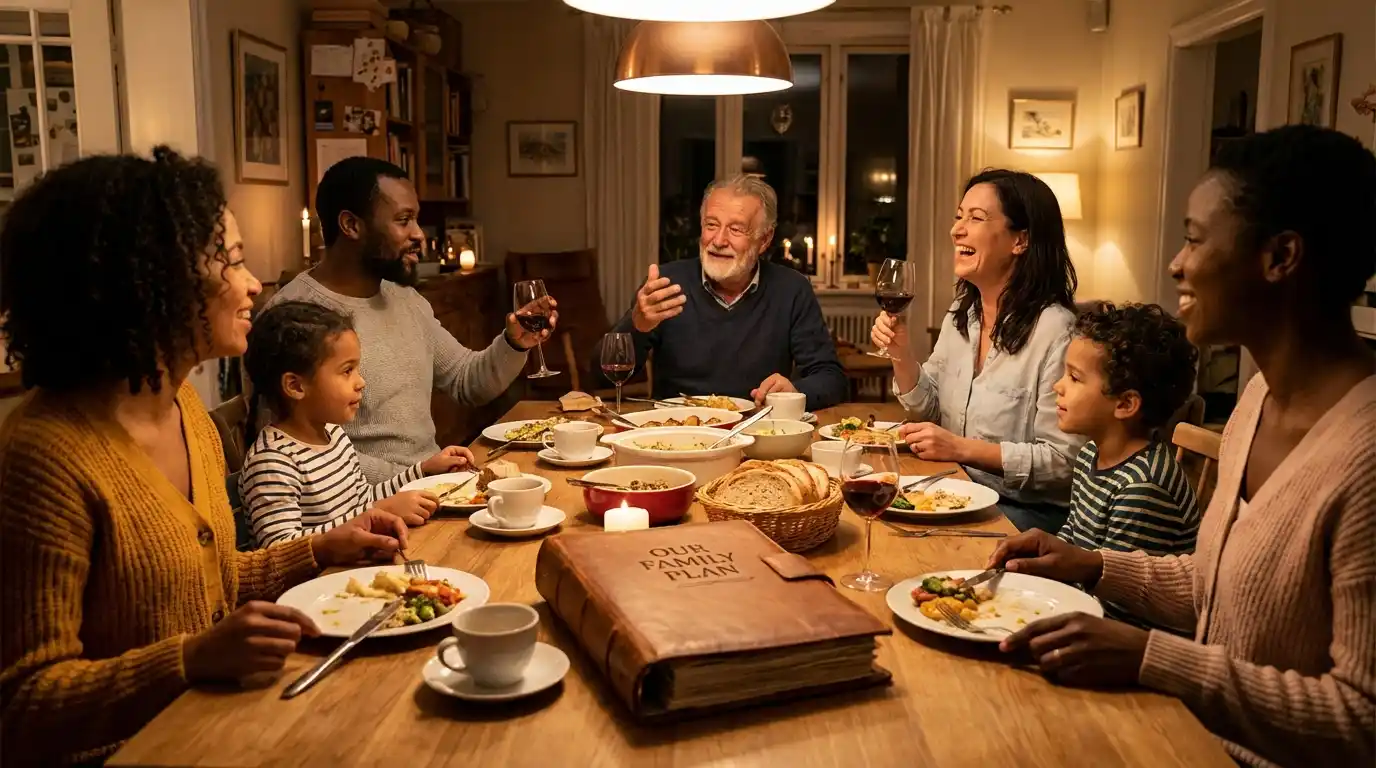
Michelle champions the "kitchen table conversation" as a powerful tool for holistic planning. She recommends gathering all adult family members, including spouses, to discuss everyone's wishes. This open dialogue covers everything from healthcare preferences and funeral arrangements to values, legacies, and even who inherits cherished heirlooms.
The goal is to put everyone on the same page at the same time, minimizing future conflict and creating a shared understanding. This collective planning process, she notes, not only reduces post-death disputes but also deepens family connections, as individuals learn more about each other's values and desires.
Who Should (and Shouldn't) Be at the Table
While inclusivity is important, Michelle suggests limiting the core planning group to adults who will respect and act upon the wishes being discussed. While younger family members can listen and learn, the primary decision-makers should be those whose directives are being established. This prevents scenarios where disagreements arise from a lack of understanding or respect for individual autonomy.
The Role of Technology: Matuary.com
Recognizing the evolving needs of consumers, Michelle has also embraced technology. She created https://matchuary.com/, a "matchmaking system" that connects individuals with end-of-life providers based on shared values.
In a world where personalization is key, people no longer blindly choose the nearest funeral home. They seek providers who align with their specific needs, whether it's a veteran-owned business, an LGBTQ-friendly death doula, or a hospice skilled in trauma-informed care. Matuary empowers individuals to find providers who truly resonate with their deeply held beliefs, transcending geographical limitations.
Small Steps for a Big Impact
End-of-life planning doesn't have to be overwhelming. Michelle's advice is clear:
Document Your Wishes: Whether it's a formal will, an advanced directive, or simply a letter of instruction, put your wishes in writing. This is crucial for guiding those who will make decisions on your behalf.
Talk About It: Initiate conversations with your loved ones. You might be surprised at how many are ready to discuss these topics but are waiting for someone else to start.
Review Regularly: Life changes, and so do your wishes. Make end-of-life planning a continuous process, just like reviewing your taxes or insurance.
As Michelle eloquently puts it, "All of us know that we're going to die. We just don't know when." Taking these proactive steps is not about inviting darkness, but about securing peace, strengthening family bonds, and honoring a life well-lived. It’s the ultimate silent gift to those cherished most.
To learn more about Michelle Carter's work and find resources for end-of-life planning, visit her on her website at thedeath.expert. You can listen to her full conversation with Niki Weiss on the Digital Legacy Podcast.
Take the Next Step: Start Planning with My Final Playbook


Related Blog
Duis mi velit, auctor vitae leo a, luctus congue dolor. Nullam at velit quis tortor malesuada ultrices vitae vitae lacus. Curabitur tortor purus, tempor in dignissim eget, convallis in lorem.



Comments