
Unlocking the Wisdom of Obituaries: What the Dead Can Teach Us About Living
We often treat the subject of death with a heavy silence, keeping it tucked away behind closed doors. But what if we looked at the end of life not just as a period of grief, but as a source of profound wisdom? When we take the time to read the stories left behind, we can find unexpected guidance on how to live our own lives more fully. Recently, Niki Weiss sat down with Mary McGreevy on the Digital Legacy Podcast to explore this very idea. Mary is the creator of the viral social media account, "Tips from Dead People," where she shares the most poignant, hilarious, and brutally honest obituaries she can find. Her journey into this unique world reveals how these final tributes can offer us a fresh perspective on what truly matters in our short jaunt around the sun. The Evolution of the Obituary For decades, obituaries followed a strict, almost clinical formula. Newspapers charged by the word or the line, forcing families to condense a rich, complex life into a brief resume of accomplishments and surviving relatives. This template approach often left out the quirks, passions, and unique details that truly define a person. However, recent global events like the COVID-19 pandemic have sparked a shift in how we memorialize our loved ones. The sheer volume of loss prompted a desire for more expansive storytelling. Today, with the rise of digital platforms like www.Legacy.com and online funeral home websites postings, space is no longer limited. We now have the freedom to tell the whole story, capturing the essence of a person in all their beautiful, messy reality. Finding the Extraordinary in the Ordinary When Mary curates obituaries for her social media, she looks past the famous and the highly accomplished. Instead, she focuses on the everyday people whose stories break the mold. She searches for tributes that reveal the heart of a person, whether through gentle ribbing, a list of peculiar loves and hates, or a brutally honest confession. These non-traditional obituaries remind us that you cannot put a person in a box. They show us that success is not just about awards or wealth; it is about the connections we make and the authentic lives we lead. By reading these stories, we can find inspiration in the ordinary, recognizing that every life, no matter how small it may seem, holds a unique and valuable lesson. The Power of the Self-Written Tribute One of the most fascinating trends Mary has observed is the rise of the self-written obituary. More and more people are choosing to pen their own final farewells. This is a powerful act of claiming one's own narrative. A self-written obituary allows a person to tell their truth, unfiltered by the expectations of others. It can be a space for humor, for setting the record straight, or for offering a final piece of advice. Mary notes that these tributes often come from individuals who lived "zigzaggy" lives, those who bucked convention and want to ensure their story is told on their own terms. It is a final act of empowerment and authenticity. Obituaries as a Tool for Grief When a loved one passes, the task of writing an obituary can feel overwhelming. Grief combined with writer's block can lead families to rely on generic templates or even artificial intelligence to generate a standard tribute. While this is understandable in a time of crisis, it can result in a tribute that feels hollow. An authentic, detailed obituary serves as a powerful tool for grief. When an obituary captures the true essence of a person, including their quirks and imperfections, it becomes a touchstone. It is something a grieving loved one can return to in the middle of the night to find comfort and connection. A carefully crafted story, oozing with love and honesty, stands the test of time far better than a checklist of accomplishments. Small Steps to Shape Your Legacy You don't need to be a professional writer to craft a meaningful legacy. Whether you are planning for yourself or helping a loved one, here are a few simple ways to start: Start a Bulleted List: Keep a running note on your phone of things you love and things you hate. This simple list can provide a charming and accurate snapshot of your personality. Write Your Own Story: If you care about how you will be remembered, take the time to write your own obituary now. You can always revise it later, but capturing your voice ensures your story is told your way. Choose Your Photo: Do not leave your final image up to chance. Select a photo that truly represents you and make sure your family knows where to find it. To hear Mary McGreevy’s full conversation with Niki Weiss, listen to the latest episode of the Digital Legacy Podcast. You can also explore her incredible collection of stories on Instagram and TikTok at @tipsfromdeadpeople.
About This Blog
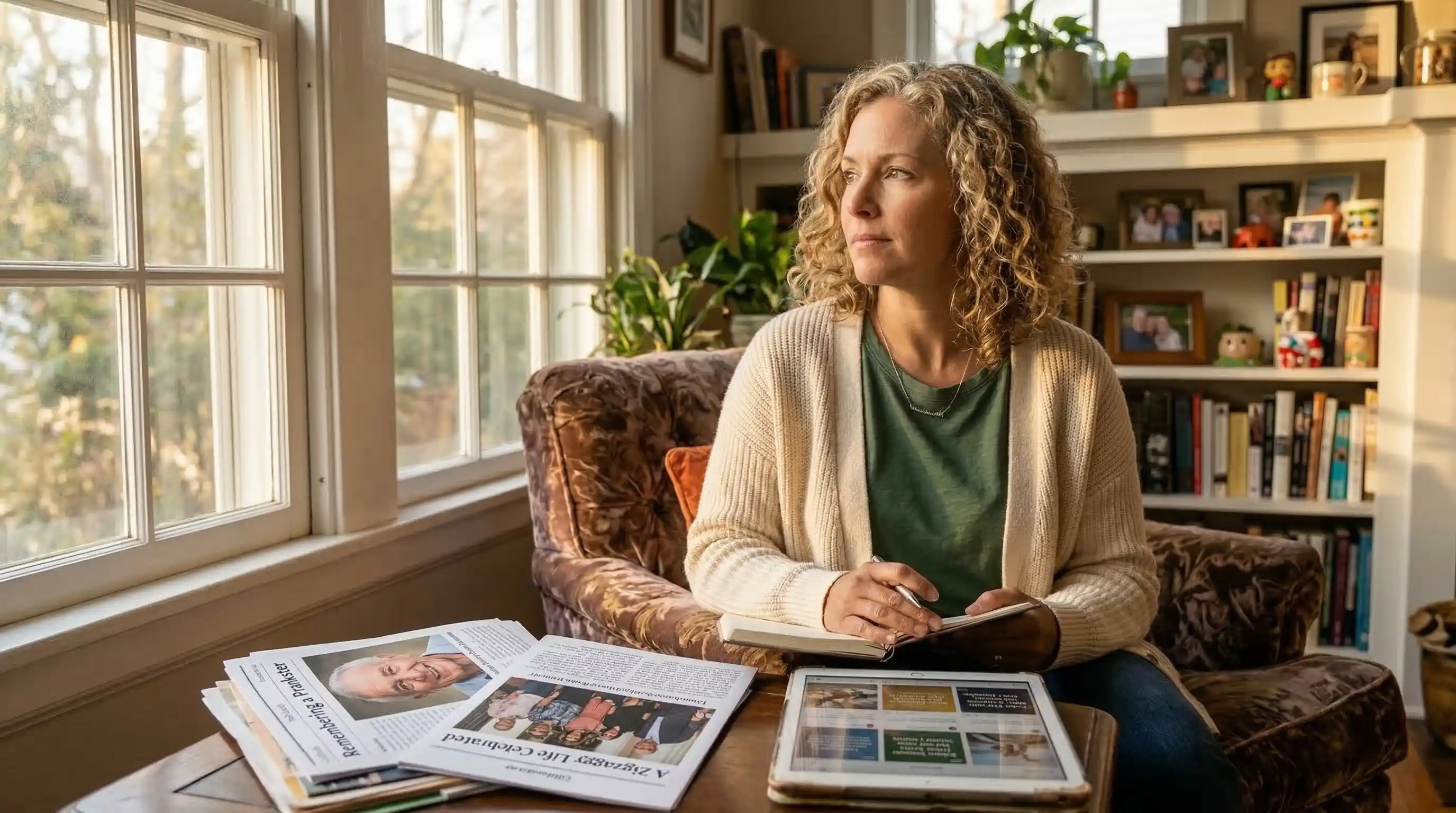
We often treat the subject of death with a heavy silence, keeping it tucked away behind closed doors. But what if we looked at the end of life not just as a period of grief, but as a source of profound wisdom? When we take the time to read the stories left behind, we can find unexpected guidance on how to live our own lives more fully.
Recently, Niki Weiss sat down with Mary McGreevy on the Digital Legacy Podcast to explore this very idea. Mary is the creator of the viral social media account, "Tips from Dead People," where she shares the most poignant, hilarious, and brutally honest obituaries she can find. Her journey into this unique world reveals how these final tributes can offer us a fresh perspective on what truly matters in our short jaunt around the sun.
The Evolution of the Obituary
For decades, obituaries followed a strict, almost clinical formula. Newspapers charged by the word or the line, forcing families to condense a rich, complex life into a brief resume of accomplishments and surviving relatives. This template approach often left out the quirks, passions, and unique details that truly define a person.
However, recent global events like the COVID-19 pandemic have sparked a shift in how we memorialize our loved ones. The sheer volume of loss prompted a desire for more expansive storytelling. Today, with the rise of digital platforms like www.Legacy.com and online funeral home websites postings, space is no longer limited. We now have the freedom to tell the whole story, capturing the essence of a person in all their beautiful, messy reality.
Finding the Extraordinary in the Ordinary
When Mary curates obituaries for her social media, she looks past the famous and the highly accomplished. Instead, she focuses on the everyday people whose stories break the mold. She searches for tributes that reveal the heart of a person, whether through gentle ribbing, a list of peculiar loves and hates, or a brutally honest confession.
These non-traditional obituaries remind us that you cannot put a person in a box. They show us that success is not just about awards or wealth; it is about the connections we make and the authentic lives we lead. By reading these stories, we can find inspiration in the ordinary, recognizing that every life, no matter how small it may seem, holds a unique and valuable lesson.
The Power of the Self-Written Tribute
One of the most fascinating trends Mary has observed is the rise of the self-written obituary. More and more people are choosing to pen their own final farewells. This is a powerful act of claiming one's own narrative.
A self-written obituary allows a person to tell their truth, unfiltered by the expectations of others. It can be a space for humor, for setting the record straight, or for offering a final piece of advice. Mary notes that these tributes often come from individuals who lived "zigzaggy" lives, those who bucked convention and want to ensure their story is told on their own terms. It is a final act of empowerment and authenticity.
Obituaries as a Tool for Grief
When a loved one passes, the task of writing an obituary can feel overwhelming. Grief combined with writer's block can lead families to rely on generic templates or even artificial intelligence to generate a standard tribute. While this is understandable in a time of crisis, it can result in a tribute that feels hollow.
An authentic, detailed obituary serves as a powerful tool for grief. When an obituary captures the true essence of a person, including their quirks and imperfections, it becomes a touchstone. It is something a grieving loved one can return to in the middle of the night to find comfort and connection. A carefully crafted story, oozing with love and honesty, stands the test of time far better than a checklist of accomplishments.
Small Steps to Shape Your Legacy
You don't need to be a professional writer to craft a meaningful legacy. Whether you are planning for yourself or helping a loved one, here are a few simple ways to start:
Start a Bulleted List: Keep a running note on your phone of things you love and things you hate. This simple list can provide a charming and accurate snapshot of your personality.
Write Your Own Story: If you care about how you will be remembered, take the time to write your own obituary now. You can always revise it later, but capturing your voice ensures your story is told your way.
Choose Your Photo: Do not leave your final image up to chance. Select a photo that truly represents you and make sure your family knows where to find it.
Take the Next Step: Start Planning with My Final Playbook


Related Blog
Duis mi velit, auctor vitae leo a, luctus congue dolor. Nullam at velit quis tortor malesuada ultrices vitae vitae lacus. Curabitur tortor purus, tempor in dignissim eget, convallis in lorem.



Comments