
When Healing Looks Like Letting Go: How Psychedelics Can Ease End-of-Life Suffering
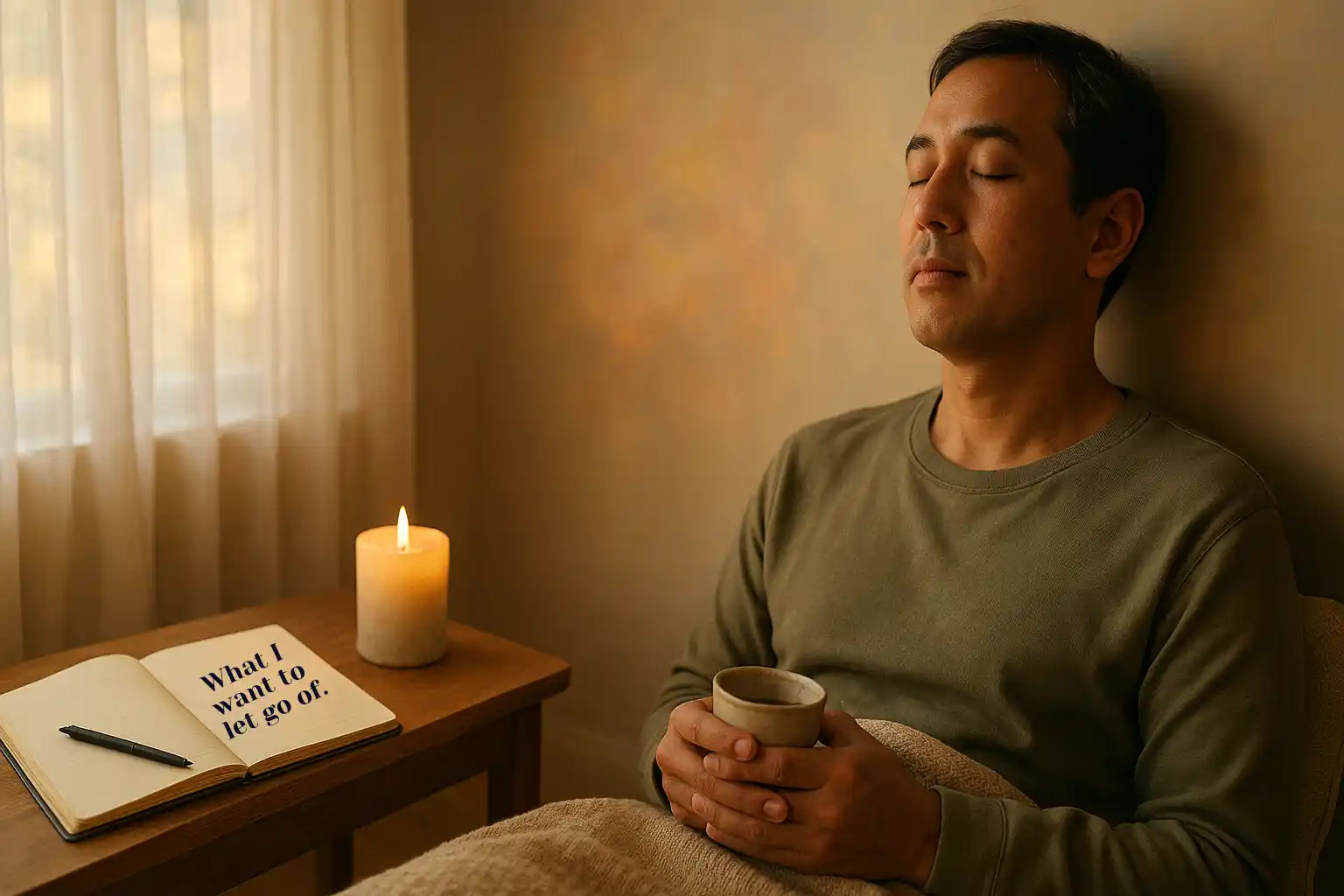
Facing the end of life can feel like walking into a fog filled with fear, regret, and uncertainty. For many, the emotional and spiritual weight is even heavier than the physical symptoms. What does it mean to leave your body, your identity, and your loved ones? How do you say goodbye to everything you have ever known? These are not questions that medication alone can resolve. This is where the work of Christine Caldwell, founder of End of Life Psychedelic Care, brings hope. Her approach is grounded in expanded consciousness, emotional healing, and the sacred process of surrendering.
About This Blog
When Healing Looks Like Letting Go: How Psychedelics Can Ease End-of-Life Suffering
Facing the end of life can feel like walking into a fog filled with fear, regret, and uncertainty.
For many, the emotional and spiritual weight is even heavier than the physical symptoms. What does it mean to leave your body, your identity, and your loved ones? How do you say goodbye to everything you have ever known?
These are not questions that medication alone can resolve. This is where the work of Christine Caldwell, founder of End of Life Psychedelic Care, brings hope. Her approach is grounded in expanded consciousness, emotional healing, and the sacred process of surrendering.
What Are End-of-Life Psychedelics?
Psychedelics are substances that alter consciousness and perception. Although often associated with recreational use, Christine explains that in end-of-life care, these medicines are used with intention, clinical oversight, and deep respect.
Substances like psilocybin, ketamine, LSD, and MDMA are not used to escape reality. Instead, they help patients gain clarity, emotional peace, and a spiritual connection when time feels limited. Each experience is supported by professionals and tailored to the individual’s needs.
Christine emphasizes that her model is not based on a traditional clinical framework. Instead, it is a spiritual one. Psychedelics, meaning "soul-revealing," offer those who are dying an opportunity to arrive fully into their final chapter, rather than feeling lost within it.
The Unseen Burden of Unresolved Pain
A life-limiting diagnosis often brings more than physical discomfort. Christine has witnessed many people spiral into anxiety and fear, not only about dying, but also about everything left unsaid or undone.
There may be regrets, fractured relationships, or a deep sense of disconnection. In her work, Christine views the dying process as a continuum. From diagnosis to final days, there are chances to engage with the emotional and spiritual side of death. Psychedelics help many people move through these stages with intention and grace.
A Look at the Medicines and Their Benefits
Each psychedelic medicine plays a different role in end-of-life care:
Psilocybin, found in certain mushrooms, supports emotional processing and spiritual exploration. Patients often describe feeling connected to something greater, or finding a way to make peace with their illness or life story.
Ketamine is fast-acting and especially effective for late-stage patients. It creates a state of dissociation, which can feel like a rehearsal for death. Many people describe an out-of-body experience that helps them release fear of the physical unknown. It is also legal and can be safely administered at home.
MDMA, known for its heart-opening effects, helps people access forgiveness and compassion. It is especially powerful for those who carry emotional pain, family trauma, or unresolved guilt. Unlike other psychedelics, MDMA does not cause hallucinations but instead promotes connection and emotional relief.
Stories of Healing at the Threshold
Christine shared the story of a man with ALS who used ketamine in his final months. During his experience, he envisioned himself running and playing with his children again. Although he was physically unable to do so, that spiritual moment gave him joy and peace.
Another patient was considering medical aid in dying due to unbearable pain. After receiving psychedelic support, his pain lessened dramatically, and he was able to repair an estranged relationship with his son. He ultimately chose to proceed with aid in dying, but from a place of peace and clarity rather than desperation.
One man who believed his life had no more value used psilocybin and found a renewed sense of love and purpose. He went on to fall in love again and enjoy the life he once thought was over.
Who Is a Good Candidate for This Work?
Psychedelic care is not for everyone. Christine is clear that people with active psychosis or certain severe mental health conditions may not be suited for this path.
However, many individuals with terminal illnesses such as cancer, Parkinson’s disease, or ALS can benefit greatly. These medicines are not a cure, but they offer support for emotional, spiritual, and sometimes physical pain.
What Psychedelics Offer Beyond Talk Therapy
While talk therapy remains essential, there are some emotional truths that words alone cannot reach.
Psychedelics allow individuals to quiet the analytical mind and connect with feelings and memories stored deep within. This often leads to breakthroughs, forgiveness, and a sense of calm that many people cannot access in ordinary consciousness.
Christine explains that these experiences often bring a shift from fear to understanding, from holding on tightly to letting go gently.
These Are Not Miracles. But They Are Gifts
Psychedelics are not magic solutions. They do not erase grief, remove all fear, or make death easy.
However, they can bring peace, meaning, and connection. They help people live with more presence in their final days. They make space for joy and comfort in moments where pain once lived.
This work is not about giving up. It is about arriving fully into the final chapter of life.
A Gentle Place to Begin
If you are a caregiver, a patient, or someone thinking about the future, start by being curious.
Learn about the different medicines.
Ask yourself what healing might look like.
Join a support group or online event to hear others’ stories.
Christine’s organization, End of Life Psychedelic Care, offers free resources, virtual gatherings, and opportunities to explore this work safely. You do not need to make a decision today. Just take one thoughtful step.
🎧 To hear Christine’s full conversation with Niki Weiss, watch the episode on The Digital Legacy Podcast
🌐 Explore educational events and support groups at eolpc.org
Take the Next Step: Start Planning with My Final Playbook


Related Blog
Duis mi velit, auctor vitae leo a, luctus congue dolor. Nullam at velit quis tortor malesuada ultrices vitae vitae lacus. Curabitur tortor purus, tempor in dignissim eget, convallis in lorem.


Comments