
Finding Humanity at the End of Life: The Power of Prison Hospices
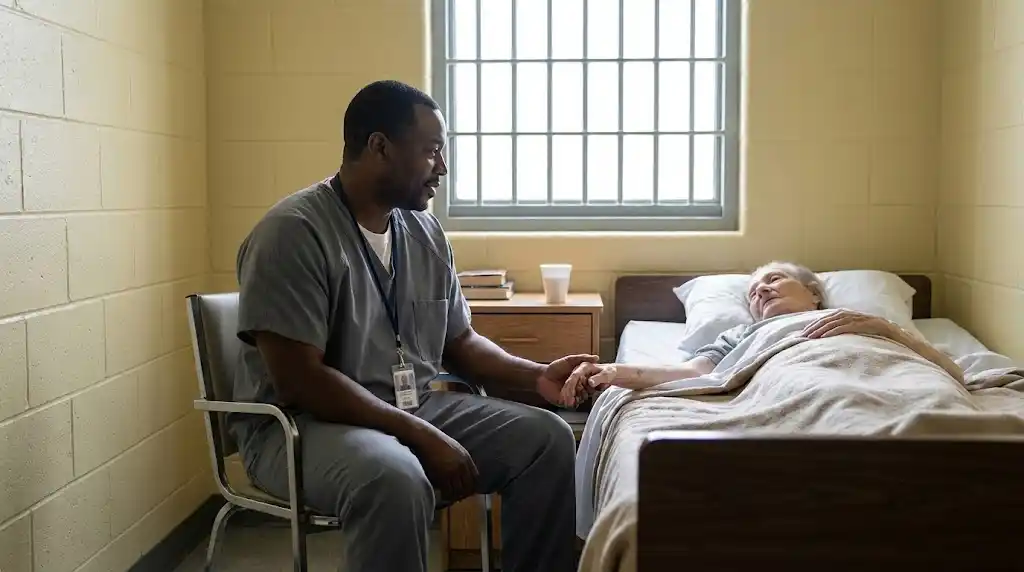
When we think about end-of-life care, we usually picture a quiet hospital room or a comfortable bed at home. We rarely imagine the sterile, restricted walls of a prison. Yet, aging and dying are universal human experiences that do not stop at the prison gates. Facing the end of life is emotionally heavy for anyone, but doing so while incarcerated adds layers of isolation and fear. In the midst of this incredibly challenging environment, a remarkable movement of compassion is taking root. I recently sat down with Fernando Murillo on the Digital Legacy Podcast to discuss a truly profound approach to end-of-life care. Fernando works with the Humane Prison Hospice Project, an organization bringing dignity to some of the most medically fragile individuals in our society . A Journey of Transformation Fernando’s connection to this work is deeply personal. He entered the prison system at the young age of 16 and ultimately served 24 years . After 19 years of incarceration, he was surprised to discover a licensed hospice within the California Medical Facility. He was recruited to work in the hospice, and despite initially saying no twice out of fear of being unprepared, he eventually answered the call . He wanted to offer himself as a resource to patients navigating their final days and humanize them in a difficult setting. Fernando quickly realized that the crimes these patients had committed were the least interesting things about them. By treating them with basic human dignity, he helped them open up and find peace without the fear of judgment . The Growing Need for Care We are facing an unprecedented aging crisis within the carceral system. Currently, one in five people incarcerated in the United States is 50 years or older. Due to harsh sentencing laws, many people are essentially serving sentences that will last for the rest of their lives. This reality creates a massive need for palliative care, memory care, and compassionate end-of-life support. Often, unofficial caregiving naturally occurs in these spaces as individuals step up to help their neighbors. They assist with essential daily tasks, such as moving a peer from a bed to a wheelchair or helping them to the shower.
About This Blog
When we think about end-of-life care, we usually picture a quiet hospital room or a comfortable bed at home. We rarely imagine the sterile, restricted walls of a prison. Yet, aging and dying are universal human experiences that do not stop at the prison gates.
Facing the end of life is emotionally heavy for anyone, but doing so while incarcerated adds layers of isolation and fear. In the midst of this incredibly challenging environment, a remarkable movement of compassion is taking root.
I recently sat down with Fernando Murillo on the Digital Legacy Podcast to discuss a truly profound approach to end-of-life care. Fernando works with the Humane Prison Hospice Project, an organization bringing dignity to some of the most medically fragile individuals in our society .
A Journey of Transformation
Fernando’s connection to this work is deeply personal. He entered the prison system at the young age of 16 and ultimately served 24 years . After 19 years of incarceration, he was surprised to discover a licensed hospice within the California Medical Facility.
He was recruited to work in the hospice, and despite initially saying no twice out of fear of being unprepared, he eventually answered the call . He wanted to offer himself as a resource to patients navigating their final days and humanize them in a difficult setting.
Fernando quickly realized that the crimes these patients had committed were the least interesting things about them. By treating them with basic human dignity, he helped them open up and find peace without the fear of judgment .
The Growing Need for Care
We are facing an unprecedented aging crisis within the carceral system. Currently, one in five people incarcerated in the United States is 50 years or older.
Due to harsh sentencing laws, many people are essentially serving sentences that will last for the rest of their lives. This reality creates a massive need for palliative care, memory care, and compassionate end-of-life support.
Often, unofficial caregiving naturally occurs in these spaces as individuals step up to help their neighbors. They assist with essential daily tasks, such as moving a peer from a bed to a wheelchair or helping them to the shower.
Neighbors Caring for Neighbors
The Humane Prison Hospice Project takes this natural compassion and turns it into a structured, professional program. The organization trains incarcerated peer caregivers to properly care for their medically fragile neighbors.
This is not a light commitment. The training program consists of 80 hours of intensive education. It provides caregivers with the proper medical language and practical skills needed to offer high-quality care .
The curriculum also adapts to specific needs, offering robust training for dementia and memory care, which is highly requested . Interestingly, even medical professionals seek out this education, as traditional schooling focuses heavily on curative care rather than the realities of dying .
The impact is life-changing for everyone involved. For the caregivers, it offers profound life skills and emotional growth. Data from the California Medical Facility hospice shows a recidivism rate of less than 1% for those who go through the program.
The Healing Power of "Human Currency"
One of the most beautiful concepts Fernando shared is the idea of "human currency." In an environment where autonomy is managed and physical resources are scarce, kindness becomes a powerful exchange .
Human currency is the authentic, free exchange of compassion, trust, and dignity. It is the simple act of listening to someone's life story and making them feel valued as a unique human being .
This concept applies far beyond prison walls. If we can foster this level of deep, non-judgmental care in such a restricted setting, we can certainly bring more of it into our own communities .
A Model for the Outside World
The success of this peer caregiving model is spreading rapidly. The Humane Prison Hospice Project is now consulting and operating in several states, including Washington, Oregon, Illinois, and Michigan.
In Michigan, the Department of Corrections has fully embraced peer caregiving across both men's and women's facilities . They have even implemented "dignity therapy," where patients record their life stories for their families to hear .
The organization is also pioneering a compassionate release destination in Los Angeles. They are partnering with the Francisco Homes and Guaranteed Hospice to provide a safe, supportive place for incarcerated cancer patients to live out their final days .
What You Can Do
It is easy to feel disconnected from issues that happen behind closed doors. But the lessons of the Humane Prison Hospice Project can inspire all of us to approach end-of-life transitions with more grace.
Reflect on Your Legacy: Ask yourself how you want to be known. Your legacy is not just the dates on a headstone; it is the "dash" in between, representing the meaningful impact you make while you are here .
Spend Your Human Currency: You do not need money or special training to be kind. Offer your time, a listening ear, and absolute presence to someone who is struggling or facing a major life transition .
Plan Ahead: Having these conversations early makes a difference. Ensure your own end-of-life planning is in order so your loved ones can focus on connection rather than logistics.
To hear Fernando Murillo’s full conversation with Niki Weiss, listen to the latest episode of the Digital Legacy Podcast. You can also connect with him on LinkedIn or learn more about his work at the Humane Prison Hospice Project.
Take the Next Step: Start Planning with My Final Playbook


Related Blog
Duis mi velit, auctor vitae leo a, luctus congue dolor. Nullam at velit quis tortor malesuada ultrices vitae vitae lacus. Curabitur tortor purus, tempor in dignissim eget, convallis in lorem.



Comments