Leaving More Than Memories: How Last Farewells Helps You Say What Matters Most

We all know that life is fragile. But knowing it and preparing for it are two very different things. It can feel overwhelming to imagine what happens after we’re gone. Let alone find the right words for the people we love most. What if you could leave messages to be delivered later? On birthdays, weddings, anniversaries. What if your voice could show up just when someone needed to hear it? That is the idea behind Last Farewells, a heartfelt end-of-life platform co-founded by Estrella Quiroz, born from the kind of loss that changes everything.
About This Blog

We all know that life is fragile.

But knowing it and preparing for it are two very different things. It can feel overwhelming to imagine what happens after we’re gone. Let alone find the right words for the people we love most.

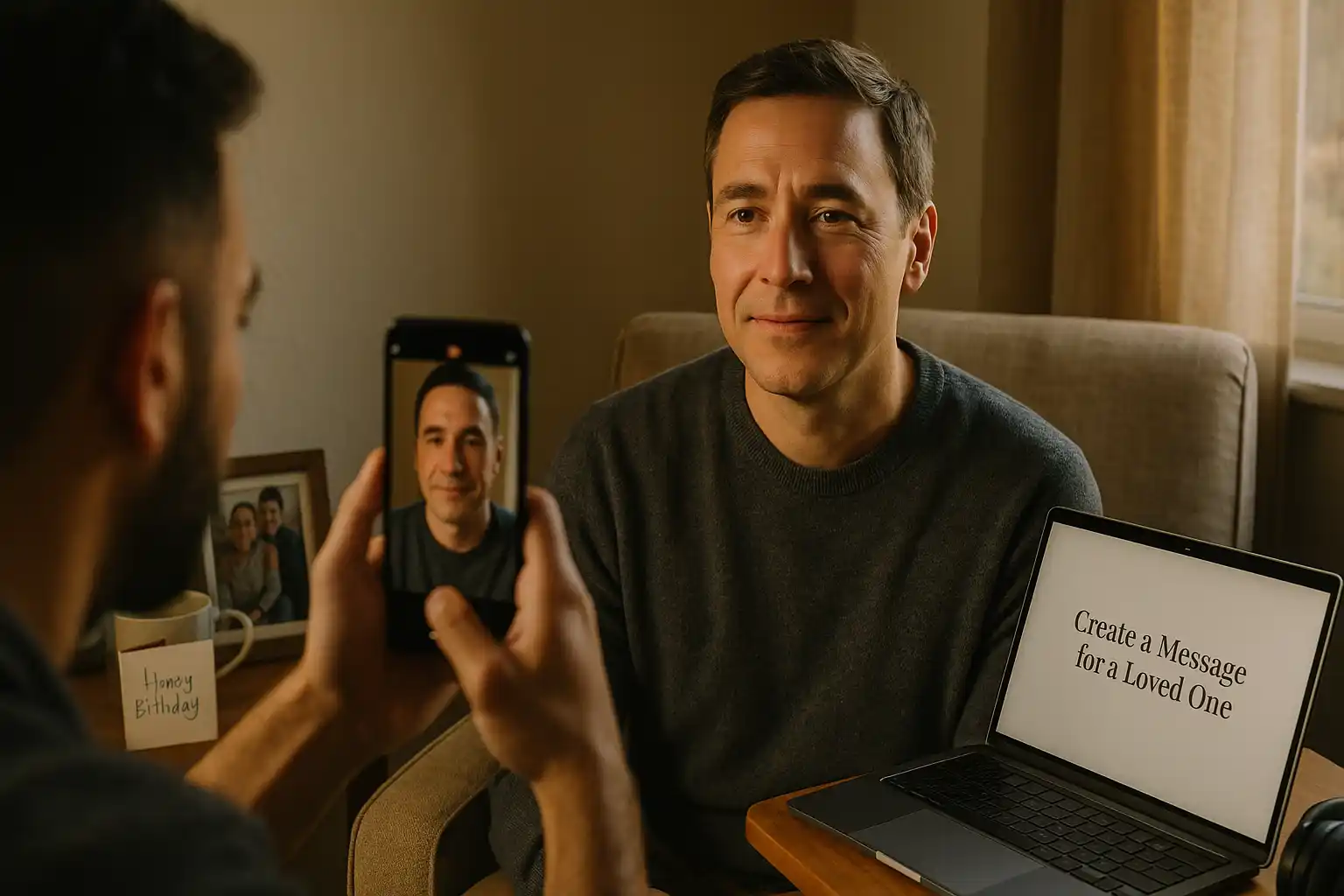
What if you could leave messages to be delivered later? On birthdays, weddings, anniversaries. What if your voice could show up just when someone needed to hear it?

That is the idea behind Last Farewells, a heartfelt end-of-life platform co-founded by Estrella Quiroz, born from the kind of loss that changes everything.


One Voicemail That Changed Everything

Estrella’s journey into death tech started with her father’s passing. On her 18th birthday, he called her and left voicemails, two with him singing happy birthday, and one where he offered love and hope. She didn’t answer the call that day. Three days later, he passed away unexpectedly .

That single voicemail, just 16 seconds long, changed the direction of her life.

It reminded her that a voice can become a lifeline. A message can be a turning point. And what we leave behind doesn’t have to be material. Sometimes, it’s simply love in the form of words.


What Is Last Farewells?

Last Farewells is a digital platform where people can create and schedule letters, videos, or voice messages for loved ones to receive in the future. These are sent out at meaningful moments like birthdays, weddings, graduations, or even anniversaries after death .

It is like emotional life insurance.

There is also a memorial page that users can build themselves, including a photo album, music playlist, self-written obituary, and more. This means your story is told in your own words, not just by others after you're gone .


Not Just for the Elderly or Terminally Ill

Many people assume tools like this are only for those facing a terminal diagnosis. But Estrella emphasizes that anyone, at any age, can use Last Farewells.

You don’t have to start with a goodbye.

You can record a birthday message for your child. A pep talk for a sibling. Or a wedding day message for a partner you haven’t met yet. It can be sweet and simple, like “Happy Birthday, I love you” sung into your phone.

Just the sound of your voice might one day be the comfort someone needs most .


Planning Is Not a Curse, It Is a Gift

Estrella shares that in many cultures, including her own, talking about death can feel like inviting it in. Her own brother, who also lost their father, refuses to make a last message because of that belief .

But where some see superstition, Estrella sees preparation.

As she puts it, “We leave life insurance for money. Why not leave emotional support, too?” Especially for people going through addiction, grief, or major transitions, hearing a personal message from someone they loved could be the thing that keeps them going .


How to Get Started with Last Farewells

The platform is simple and free to begin. Users can create:

  • 2 letters

  • 2 videos

  • 2 audio messages

  • A memorial page with photos, messages, and a bucket list

Messages are stored securely and only delivered if and when needed. If the recipient is not ready, the message will stay in their inbox for a year. This ensures that the timing is respectful and gentle .

There is no pressure to say everything at once. Start small. Even a 30-second birthday message is a beautiful beginning.


The Rise of Personal Legacy Tools

In the age of social media, people often go viral after they pass away. Videos resurface, messages are shared, and last posts become sacred.

Last Farewells helps people take control of their legacy and speak directly to the ones who matter most. You decide what they see. You decide what is said.

This brings comfort not only to the recipients but also to the creators. Knowing you have spoken your truth can bring peace, even in uncertain times.


Death Tech Is Growing, and That Is a Good Thing

Estrella believes that more people should build in this space.

Technology around death has long been outdated and impersonal. But with tools like Last Farewells, there is room for emotion, culture, and story. As more companies explore this space, grieving families will have better options and more ways to feel connected .

Whether you are young, middle-aged, or aging, the time to plan is not when things get urgent. The time is now.


A Simple Step That Can Mean Everything

If you are caring for a parent, facing a diagnosis, or simply thinking about the future, try this:

Create one message today.

It does not need to be perfect. It does not need to be deep. Just pick someone you love and say something kind. Record it. Save it. Send it when the time is right.

You might not know when that moment will come, but when it does, your voice will be there.

🎧 Watch the full episode with Estrella Quiroz and Niki Weiss on The Digital Legacy Podcast
📸 Follow @lastfarewellsapp on Instagram for education and inspiration


Take the Next Step: Start Planning with My Final Playbook


Related Blog

Duis mi velit, auctor vitae leo a, luctus congue dolor. Nullam at velit quis tortor malesuada ultrices vitae vitae lacus. Curabitur tortor purus, tempor in dignissim eget, convallis in lorem.

Unlocking the Wisdom of Obituaries: What the Dead Can Teach Us About Living

We often treat the subject of death with a heavy silence, keeping it tucked away behind closed doors. But what if we looked at the end of life not just as a period of grief, but as a source of profound wisdom? When we take the time to read the stories left behind, we can find unexpected guidance on how to live our own lives more fully. Recently, Niki Weiss sat down with Mary McGreevy on the Digital Legacy Podcast to explore this very idea. Mary is the creator of the viral social media account, "Tips from Dead People," where she shares the most poignant, hilarious, and brutally honest obituaries she can find. Her journey into this unique world reveals how these final tributes can offer us a fresh perspective on what truly matters in our short jaunt around the sun. The Evolution of the Obituary For decades, obituaries followed a strict, almost clinical formula. Newspapers charged by the word or the line, forcing families to condense a rich, complex life into a brief resume of accomplishments and surviving relatives. This template approach often left out the quirks, passions, and unique details that truly define a person. However, recent global events like the COVID-19 pandemic have sparked a shift in how we memorialize our loved ones. The sheer volume of loss prompted a desire for more expansive storytelling. Today, with the rise of digital platforms like www.Legacy.com and online funeral home websites postings, space is no longer limited. We now have the freedom to tell the whole story, capturing the essence of a person in all their beautiful, messy reality. Finding the Extraordinary in the Ordinary When Mary curates obituaries for her social media, she looks past the famous and the highly accomplished. Instead, she focuses on the everyday people whose stories break the mold. She searches for tributes that reveal the heart of a person, whether through gentle ribbing, a list of peculiar loves and hates, or a brutally honest confession. These non-traditional obituaries remind us that you cannot put a person in a box. They show us that success is not just about awards or wealth; it is about the connections we make and the authentic lives we lead. By reading these stories, we can find inspiration in the ordinary, recognizing that every life, no matter how small it may seem, holds a unique and valuable lesson. The Power of the Self-Written Tribute One of the most fascinating trends Mary has observed is the rise of the self-written obituary. More and more people are choosing to pen their own final farewells. This is a powerful act of claiming one's own narrative. A self-written obituary allows a person to tell their truth, unfiltered by the expectations of others. It can be a space for humor, for setting the record straight, or for offering a final piece of advice. Mary notes that these tributes often come from individuals who lived "zigzaggy" lives, those who bucked convention and want to ensure their story is told on their own terms. It is a final act of empowerment and authenticity. Obituaries as a Tool for Grief When a loved one passes, the task of writing an obituary can feel overwhelming. Grief combined with writer's block can lead families to rely on generic templates or even artificial intelligence to generate a standard tribute. While this is understandable in a time of crisis, it can result in a tribute that feels hollow. An authentic, detailed obituary serves as a powerful tool for grief. When an obituary captures the true essence of a person, including their quirks and imperfections, it becomes a touchstone. It is something a grieving loved one can return to in the middle of the night to find comfort and connection. A carefully crafted story, oozing with love and honesty, stands the test of time far better than a checklist of accomplishments. Small Steps to Shape Your Legacy You don't need to be a professional writer to craft a meaningful legacy. Whether you are planning for yourself or helping a loved one, here are a few simple ways to start: Start a Bulleted List: Keep a running note on your phone of things you love and things you hate. This simple list can provide a charming and accurate snapshot of your personality. Write Your Own Story: If you care about how you will be remembered, take the time to write your own obituary now. You can always revise it later, but capturing your voice ensures your story is told your way. Choose Your Photo: Do not leave your final image up to chance. Select a photo that truly represents you and make sure your family knows where to find it. To hear Mary McGreevy’s full conversation with Niki Weiss, listen to the latest episode of the Digital Legacy Podcast. You can also explore her incredible collection of stories on Instagram and TikTok at @tipsfromdeadpeople.

How AI Technology is Reshaping Our Relationship with Mortality

In a time when our lives are increasingly intertwined with technology, the collision of death and digital innovation presents opportunities and challenges previous generations couldn’t foresee happening. Dr. Sarah Parker Ward, an end-of-life futurist and professor at Rensselaer Polytechnic Institute, brings her perspective to this new frontier. With a background in digital advertising and a PhD from Boston University, Dr. Parker Ward's journey into death technology began with a profound personal experience during her grandfather's end-of-life journey. This experience, combined with her academic exploration of how industrialization has transformed both birth and death mindsets, highlights her voice in understanding how technology is reshaping our relationship with mortality. Game Changes in Death Technology The concept of death technology, or "death tech," encompasses innovations that span the entire spectrum of end-of-life experiences, from aging and hospice through post-mortem care. This evolving field is being driven partly by demographic shifts, like baby boomers, with approximately 11,000 individuals turning 65 each day. This demographic has geared entrepreneurs and private equity firms who recognize the significant market potential to develop technological solutions for end-of-life needs. On the one hand, there's a movement toward what Tony Walter termed "The Revival of Death" in the mid-1990s, where people are seeking to return to more personalized, less industrialized approaches to post-mortem care, similar to practices from the mid-1800s. On the other hand, there's a surge in technological innovations aimed at enhancing and personalizing the end-of-life experience through digital means. The crossed paths of these trends have led to the development of various digital tools and platforms that aim to make end-of-life planning more easy and accessible. One of the more popular innovations to come from this include pre-planning platforms that generate personalized letters explaining funeral arrangements and applications designed to help parents create legacy messages for their children, demonstrating how technology can be used to maintain meaningful connections even after death. Digital Legacies and Virtual Immortality The management of our digital legacy is crucial for end-of-life planning. Our digital footprints are vast and complex, encompassing everything from social media accounts and email to digital subscriptions and online banking. Our digital presence raises important questions about data management and privacy that extend after we have passed on. One of the most controversial developments in this space is the emergence of "grief bots" - artificial intelligence systems designed to simulate conversation with deceased individuals based on their digital communication patterns. While these technologies offer the alluring possibility of maintaining a connection with lost loved ones, they also raise significant ethical concerns about the authenticity of these interactions and their impact on the natural grieving process and the person experiencing loss. Advanced planning for digital assets has become a new field, requiring careful consideration of how our online presence will be managed after death. This includes decisions about account closure, data deletion, and the preservation or removal of social media profiles. The complexity of these decisions has led to the development of digital legacy advance directives, documents that specify how digital assets should be handled posthumously. The Transformation of Death Care The evolution of death care (during the passing of loved ones and after) practices reflects broader societal changes in how we approach mortality. Historical shifts in death care parallel similar changes in birth practices, with both experiencing waves of industrialization and medicalization, followed by movements toward a more empathetic outreach. Modern death care is becoming increasingly automated and personalized, with individuals seeking greater control over their end-of-life experiences. We have prepared a list of various planning tools and resources that help people articulate their wishes for both physical and digital assets. Essential considerations for modern end-of-life planning include: Advanced care directives for medical decisions Digital legacy planning for online accounts and assets Designation of legacy contacts for digital platforms Instructions for data privacy and management Preferences for memorial and remembrance practices Guidelines for executors regarding digital asset management Your Data Privacy Data privacy concerns extend beyond death, with current regulations offering limited guidance on posthumous data management. Common issues include unwanted social media reminders of deceased individuals, continued account suggestions, and questions about data ownership after death. The ability to effectively manage and potentially remove digital information after death remains a big and often overlooked question. The role of executors has expanded to include the management of digital assets, requiring not just emotional capacity but also technological competence. This new responsibility highlights the need for a careful selection of executors who can navigate both traditional and digital aspects of estate management. What will you do to protect your digital data when you pass? Planning for the Digital End As we navigate this new frontier of death in a digital age, proactive planning is important. With less than 40% of people engaging in advanced care planning, there's significant room for improvement in how we prepare for end-of-life matters. The ubiquity of smartphone technology, even among baby boomers with a 90% adoption rate, provides an accessible starting point for digital legacy planning. Try taking simple steps such as assigning legacy contacts on your devices and social media accounts. Consider creating a comprehensive digital inventory of your online presence and developing clear instructions for how you want your assets to be managed after death. Most importantly, engage in conversations with loved ones about your digital legacy preferences and ensure your wishes are documented in a way that provides clear guidance for survivors. By taking proactive steps to manage our digital legacies, we can help ensure our online presence aligns with our values and preferences, even after we're gone. If something happened to you, would the people in your life know what to do? Don't leave your loved ones in the dark. Start developing your end-of-life and digital legacy plan. Download My Final Playbook App on the App Store and Google Play to get started. Through this app, you'll be able to start and learn how to organize your legal, financial, physical, and digital assets today. Until then, keep your password safe and your playbook up to date.

Comments