
Navigating Care Options: A Guide to Palliative and Hospice Care
Caring for an aging loved one or someone with a serious illness is one of life’s most profound and challenging roles. It often arrives unexpectedly, thrusting us into a world of complex medical decisions and emotional turbulence. The sheer volume of information can be overwhelming, especially when trying to decipher the best path forward for someone we cherish. One of the most common areas of confusion surrounds end-of-life care options. The terms "palliative care" and "hospice care" are frequently misunderstood or used interchangeably, leading to unnecessary anxiety and missed opportunities for vital support. To shed light on this crucial topic, Niki Weiss recently sat down with Holly Vossel, Senior Reporter for Hospice News, on the Digital Legacy Podcast . Their conversation offers invaluable clarity and guidance for anyone navigating these end-of-life turbulent times.
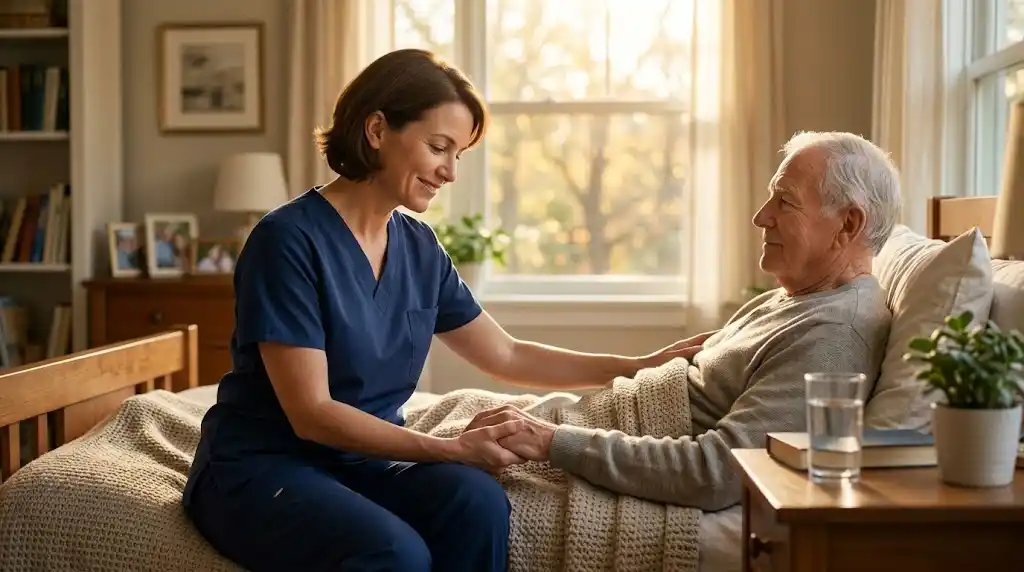
About This Blog
Caring for an aging loved one or someone with a serious illness is one of life’s most profound and challenging roles. It often arrives unexpectedly, thrusting us into a world of complex medical decisions and emotional turbulence. The sheer volume of information can be overwhelming, especially when trying to decipher the best path forward for someone we cherish.
One of the most common areas of confusion surrounds end-of-life care options. The terms "palliative care" and "hospice care" are frequently misunderstood or used interchangeably, leading to unnecessary anxiety and missed opportunities for vital support. To shed light on this crucial topic, Niki Weiss recently sat down with Holly Vossel, Senior Reporter for Hospice News, on the Digital Legacy Podcast . Their conversation offers invaluable clarity and guidance for anyone navigating these end-of-life turbulent times.
Understanding the Difference
A primary source of confusion is the distinction between palliative and hospice care. While both focus on improving quality of life, they serve distinct purposes and are appropriate at different stages of an illness.
Hospice care is a specialized benefit designed for individuals with a terminal illness and a life expectancy of six months or less, assuming the disease runs its natural course. A common misconception is that entering hospice means actively dying or giving up hope. In reality, hospice is a holistic philosophy of care that prioritizes comfort and dignity. It provides comprehensive support, including physical, emotional, psychosocial, and spiritual care for both the patient and their family . Importantly, hospice is typically a fully covered benefit under Medicare, Medicaid, and most private insurance plans.
Palliative care, on the other hand, is appropriate at any stage of a serious illness, regardless of the prognosis. It can be provided alongside curative treatments, offering an extra layer of support to manage symptoms and improve overall well-being. Unlike hospice, palliative care funding is often a "patchwork," relying on various payment models such as Medicare, Medicaid, or philanthropic support. This means that the availability and cost of specific palliative services can vary significantly depending on location and individual circumstances .
The Importance of Early Conversations
A recurring theme in Holly’s insight is the critical importance of having end-of-life conversations early. Delaying these discussions until a crisis occurs can lead to profound distress and complicate decision-making for family members.
When a loved one is diagnosed with a serious or chronic illness, it is vital to initiate a dialogue about their goals of care. Ask open-ended questions like, "What are your hopes if your condition doesn't improve?" or "What kind of support would be most meaningful to you?" These conversations provide a foundation for understanding their values and preferences, ensuring that their wishes are honored when they can no longer advocate for themselves .
Documenting these conversations is equally crucial. Legal instruments like advance directives and medical powers of attorney provide clear instructions to healthcare providers and family members, alleviating the burden of guesswork during incredibly stressful times .
Navigating the Digital Landscape
The integration of technology into healthcare presents both opportunities and challenges. While digital tools can enhance communication and streamline administrative tasks, they should not replace human connection and professional guidance.
When seeking information about care options, it is essential to rely on reputable sources and consult directly with healthcare professionals . Be cautious when using artificial intelligence or generic online resources to make critical healthcare decisions. These tools can be helpful for gathering general information, but they lack the nuance and personalized understanding necessary to formulate a comprehensive care plan.
Furthermore, as our lives become increasingly intertwined with technology, digital legacy planning is becoming a crucial component of end-of-life preparation. Discussing how to manage digital assets, such as online accounts and digital photos, ensures that a loved one's digital footprint is handled according to their wishes .
Taking the Next Step
Navigating end-of-life care is undoubtedly challenging, but it doesn't have to be overwhelming. By understanding the available options, initiating early conversations, and embracing professional support, you can empower yourself and your loved ones to make informed decisions that honor their values and enhance their quality of life.
If you are currently facing these challenges or simply want to be better prepared for the future, start by taking one small step today.
Start the Conversation: Talk to your loved ones about their values and goals of care.
Consult a Professional: Ask your healthcare provider about palliative or hospice care options.
Document Your Wishes: Create or update your advance directives and medical power of attorney.
Take the Next Step: Start Planning with My Final Playbook


Related Blog
Duis mi velit, auctor vitae leo a, luctus congue dolor. Nullam at velit quis tortor malesuada ultrices vitae vitae lacus. Curabitur tortor purus, tempor in dignissim eget, convallis in lorem.



Comments