
Your Digital Legacy Is at Risk, Here’s How to Protect It
We don’t usually think about our finances as part of our legacy. But if you’ve ever lost someone or helped a parent through a health crisis, you know the truth: how we prepare (or don’t) shapes everything that follows. And in the digital age, the stakes are higher than ever. In a recent episode of The Digital Legacy Podcast, Niki Weiss sat down with wealth manager and financial educator Kurt Baker to talk about a growing threat most of us aren’t thinking about: how our digital financial lives are vulnerable to loss, theft, and confusion, especially at the end of life.
About This Blog
We don’t usually think about our finances as part of our legacy.
But if you’ve ever lost someone or helped a parent through a health crisis, you know the truth: how we prepare (or don’t) shapes everything that follows. And in the digital age, the stakes are higher than ever.
In a recent episode of The Digital Legacy Podcast, Niki Weiss sat down with wealth manager and financial educator Kurt Baker to talk about a growing threat most of us aren’t thinking about: how our digital financial lives are vulnerable to loss, theft, and confusion, especially at the end of life.
Scammers Know Where the Money Is
Kurt shares a story that hits hard: a friend of his father’s, a brilliant retired engineer, lost everything to a digital scam. One moment, he was living comfortably in assisted living. The next, he was evicted and reliant on Medicaid.
This isn’t rare. And older adults are prime targets. Why?
Because that’s where the assets are.
Because cognitive decline makes people more vulnerable.
And because shame often stops people from speaking up until it’s too late.
Even the Smartest Can Be Fooled
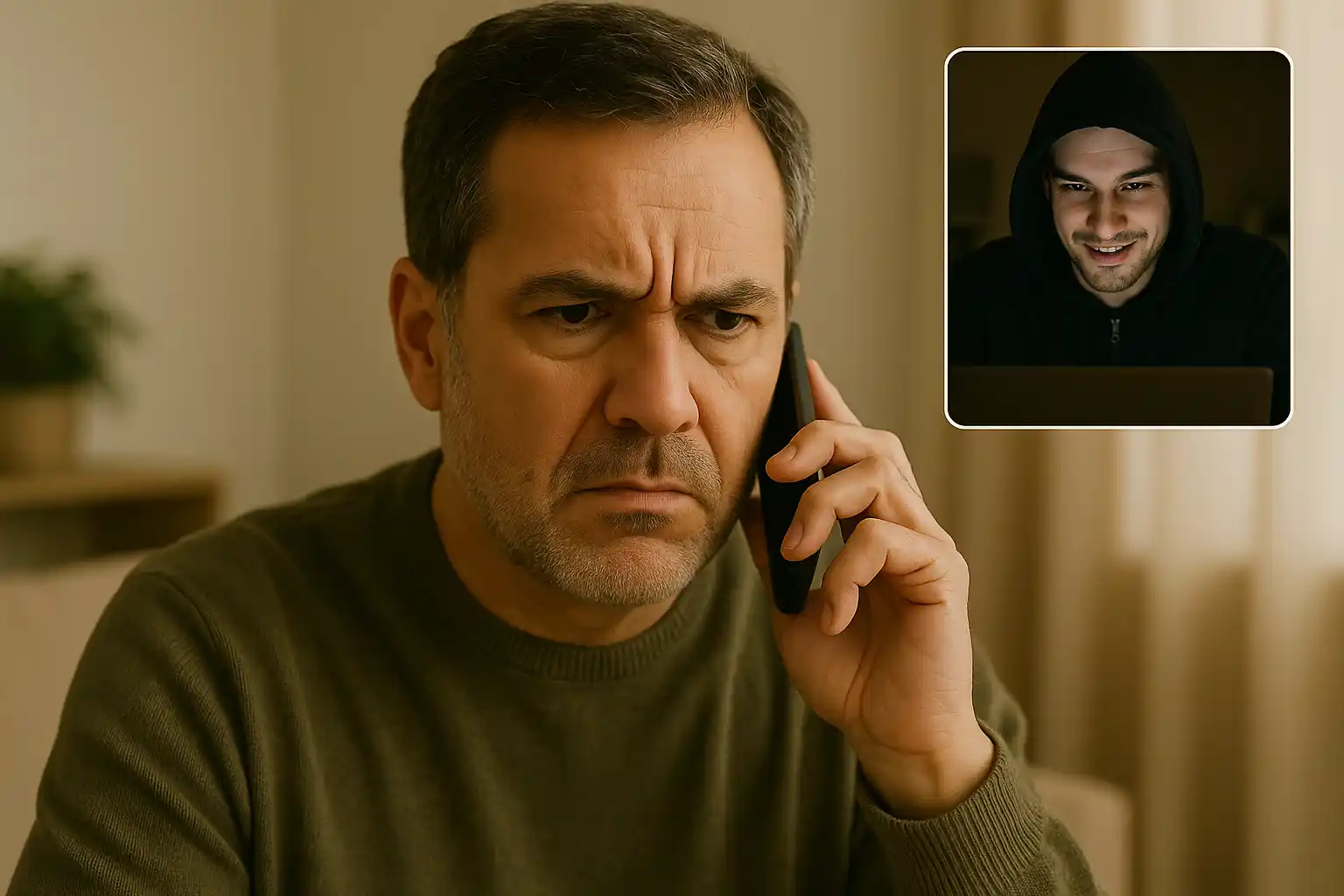
Kurt’s own father, highly capable and mentally sharp, once received a call claiming his granddaughter had been arrested and needed bail money. She was sitting across the room the whole time. And still, he almost fell for it.
That’s how emotionally manipulative scams have become. They prey on urgency, love, and confusion.
Now, with Ai advancing fast, voice cloning and predictive targeting make it even easier for bad actors to sound like family members, forge documents, and gain access to accounts.
Digital Security Is End-of-Life Planning Now
Many people assume that if they don’t use social media or shop online, they’re safe. But Kurt explains that your data is already out there. It’s on the dark web, in databases, in public records.
That’s why protecting your digital footprint is essential, especially as we age. And it’s not just about passwords.
It’s about:
Securing your online Social Security and Medicare accounts
Setting up multi-factor authentication
Naming trusted contacts on financial platforms
Keeping your beneficiary designations up to date
These steps might seem small. But they can be the difference between ease and chaos when something happens.
Put a Human in the Middle
One of Kurt’s most important strategies? Add a second layer of accountability.
When his clients request large transfers, he requires written confirmation and follows up with a phone call—personally. Only after verifying the request does he allow the transaction to proceed.
This process has stopped multiple scams.
You can do the same by:
Adding a trusted contact to your accounts
Asking your advisor to implement a “dual verification” process
Giving a financial power of attorney to someone who understands your values
Even better? Tell that person what you want now, while you’re still clear-headed and empowered.
Your Estate Plan Needs a Digital Chapter
Estate planning isn’t just about having a will or trust. It’s about making sure the people you care about can access what they need quickly.
Here’s what that includes in the digital age:
Password managers like LastPass or 1Password
Digital legacy settings on platforms like Google and Apple
A backup person who knows how to unlock your phone (for 2FA codes)
Documentation of where your assets are and how to reach them
Kurt’s father, for instance, set up a joint account specifically for funeral and emergency expenses. That account allowed Kurt to act immediately after his dad’s passing, without legal delays.
Talk About It—Even If It’s Uncomfortable
Kurt admits his father didn’t start sharing details about the family’s finances until his 70s. Before that, everything was a mystery, even to his own children.
This isn’t uncommon. Many older adults were raised to be private about money, or fear being taken advantage of. But silence creates confusion, and sometimes, loss.
If you’re caring for aging parents or stepping into midlife yourself, now is the time to talk:
Do they have a will?
Who are their account beneficiaries?
Can someone access their phone if needed?
Do they have a plan for long-term care?
These aren’t easy conversations. But they’re necessary ones.
What Happens If You Don’t Act?
Unclaimed assets. Delayed funerals. Frozen accounts. Family fights.
Kurt shared that over $77 billion in unclaimed assets currently sit with state governments. All because someone didn’t update a beneficiary, forgot to cash a check, or left no instructions.
He recommends using sites like MissingMoney.com to search for forgotten funds—for yourself and your loved ones.
Your Next Step: Build Your Personal Offboarding Plan
Kurt put it perfectly: “You’re the CEO of your life. Make sure someone can take over if needed.”
Just like in a business, you need an exit plan. Who manages your finances, health decisions, and digital accounts if you can’t?
If you’re not sure, start small:
Write down your account list
Update your beneficiaries
Choose a healthcare proxy
Set up password sharing with a trusted person
You don’t have to do it all at once. But doing nothing? That’s the riskiest option of all.
Final Thought: A Legacy of Clarity
It’s not just about protecting money.
It’s about protecting peace.
When you plan ahead, you give your loved ones the gift of clarity.
And in the middle of grief or crisis, that is everything.
Related Blog
Duis mi velit, auctor vitae leo a, luctus congue dolor. Nullam at velit quis tortor malesuada ultrices vitae vitae lacus. Curabitur tortor purus, tempor in dignissim eget, convallis in lorem.




Comments