Navigating the Digital Afterlife: Finding Humanity in the Age of AI

Talking about end-of- life is rarely easy. It brings up deep emotions, fears, and a natural instinct to pull away. When we add artificial intelligence and digital legacy to the conversation, it can feel entirely overwhelming. But avoiding these topics does not make them go away. As technology rapidly changes how we live, it is also changing how we remember those who have passed. We are facing entirely new questions about grief, memory, and what it means to be human. I recently had a profound conversation with Jason Batt on the Digital Legacy Podcast. Jason is a technological philosopher, a futurist, and a mythologist. He is also the co-editor of the book, "Soul and the Machine," which explores psychology, mythology, and artificial intelligence. Beyond his academic work, Jason has a deeply compassionate background. As a former minister, he has sat at the bedside of many people in hospice, holding their hands in their final moments. His unique perspective helps us navigate the intersection of human grief and modern technology.
About This Blog

Talking about end-of- life is rarely easy. It brings up deep emotions, fears, and a natural instinct to pull away. When we add artificial intelligence and digital legacy to the conversation, it can feel entirely overwhelming.

But avoiding these topics does not make them go away. As technology rapidly changes how we live, it is also changing how we remember those who have passed. We are facing entirely new questions about grief, memory, and what it means to be human.

I recently had a profound conversation with Jason Batt on the Digital Legacy Podcast. Jason is a technological philosopher, a futurist, and a mythologist. He is also the co-editor of the book, "Soul and the Machine," which explores psychology, mythology, and artificial intelligence.

Beyond his academic work, Jason has a deeply compassionate background. As a former minister, he has sat at the bedside of many people in hospice, holding their hands in their final moments. His unique perspective helps us navigate the intersection of human grief and modern technology.


The Rise of the AI Avatar

We are living in an era that even science fiction writers did not fully predict. Experts thought AI would simply crunch numbers and process data. Instead, it is generating art, writing poetry, and creating human likenesses.

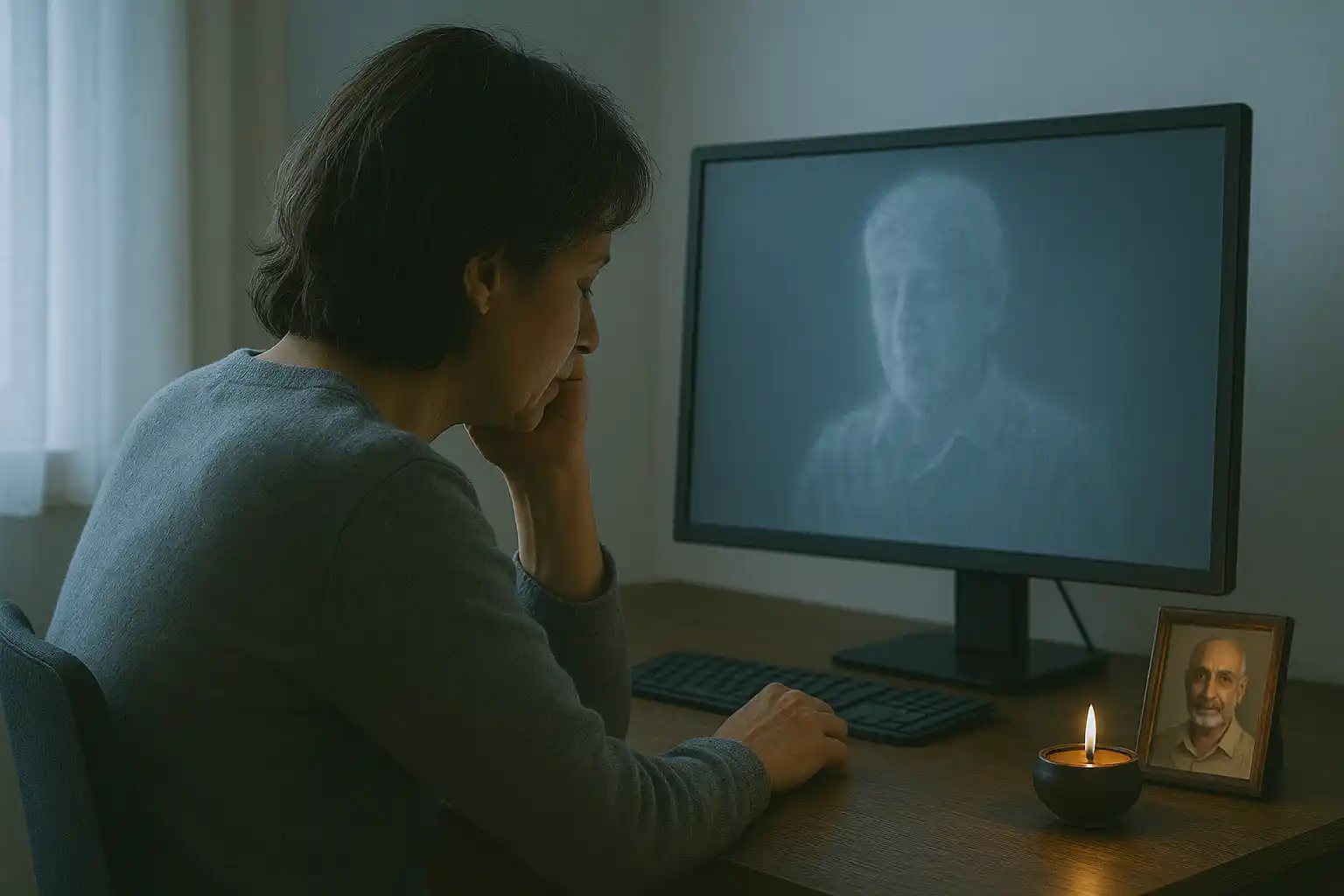
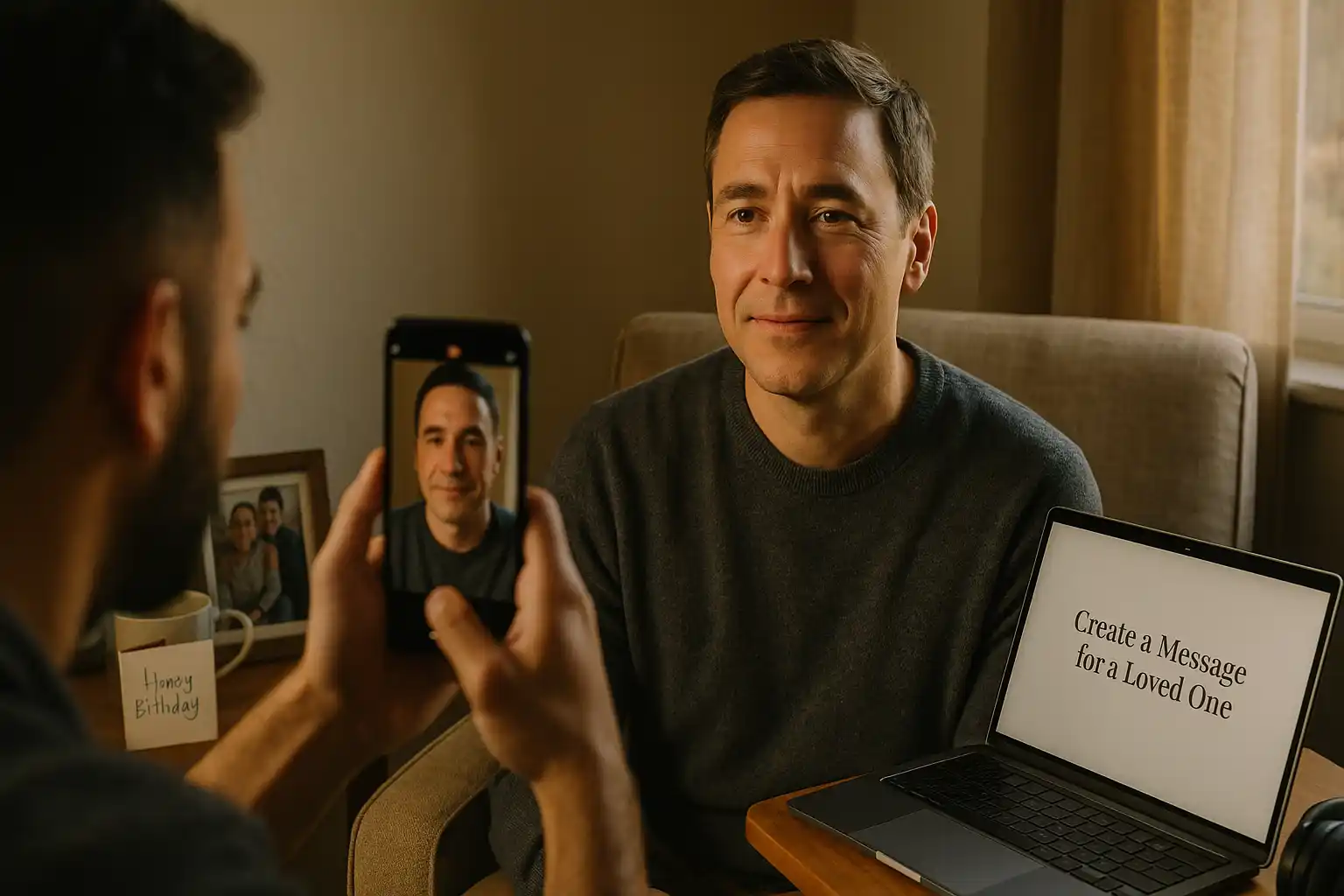
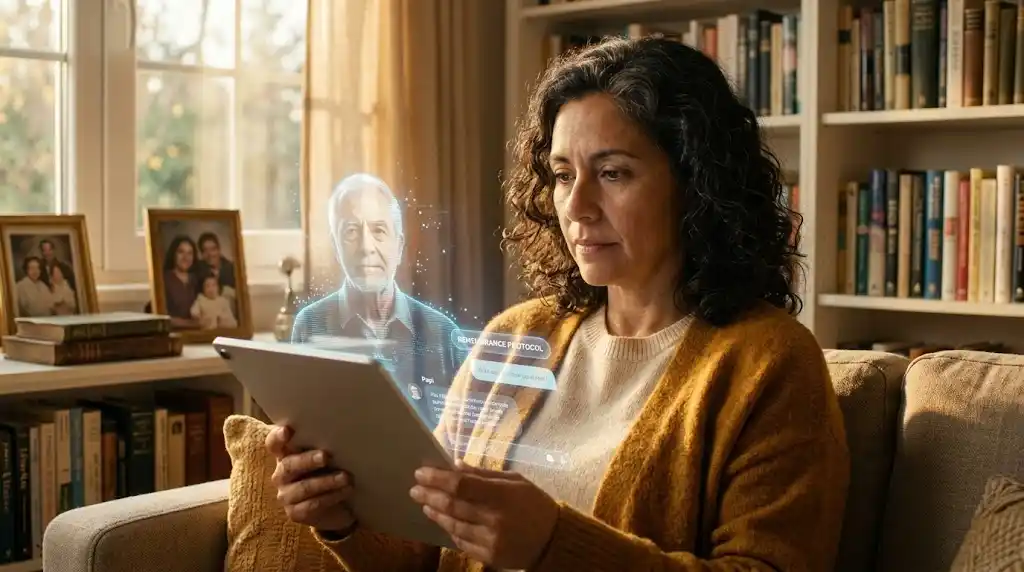
One of the most startling advancements in death tech is the creation of "dead bots". These are AI avatars trained on voice recordings, text messages, and photos of people who have died.

They allow the living to continue having conversations with a digital version of their deceased loved one. While this sounds like a comforting idea, it opens up a massive ethical debate about the nature of the human soul.

Jason points out that major decisions about consciousness and legacy are currently being made in boardrooms. Tech developers are essentially defining the rules of our digital afterlife without widespread public input.


The Question of Digital Consent

When a family decides to create an AI avatar of a lost loved one, we have to ask a difficult question. Are we considering the rights of the deceased?

Did your loved one, who is dying or already dead, consent to having their memories fed into a code and advanced technology so you can communicate with them after they are gone? This idea of "digital consent" is something every family needs to discuss right now.

Furthermore, Jason raises a fascinating futuristic question about the AI models themselves. Some experts believe there is a small chance these models could eventually achieve a form of consciousness.

If that happens, is it ethical to force a sentient AI to endlessly reenact the life of a dead person? It is a concept that sounds like a sci-fi movie, but it is rapidly approaching our reality.

The Power of "What If"

When we lose a loved one, the finality can feel crushing. Yet, Jason encourages us to keep our imaginations alive. We do not have all the answers about what happens after our final breath, and there is a profound beauty in that mystery.

By simply asking "what if," we open the door to hope. What if our loved ones are still present in some way? What if a small piece of our consciousness transitions beyond this physical world?

Allowing yourself to wonder does not mean you are in denial. It means you are embracing the vast, beautiful complexity of the human experience. It helps us to move through the deepest sorrow with a sense of awe.


Small Steps Toward Peace

If you are planning for your own digital legacy or caring for an aging parent, it is vital to face these topics head-on. Jason recommends taking time to truly contemplate your mortality without the distraction of screens.

Put your phone away and take a quiet walk through a peaceful graveyard. Consider volunteering at a local hospice center to sit with those in transition.

Getting comfortable with the reality of dying removes its terrifying power over you. Start a conversation with your family today about digital boundaries. Decide together how you want your digital data handled after you are gone.

To explore these deep questions further, you can listen to Jason Batt's full interview with Niki Weiss on the Digital Legacy Podcast. You can also discover his books and upcoming classes at JBATT.com.


Take the Next Step: Start Planning with My Final Playbook


Related Blog

Duis mi velit, auctor vitae leo a, luctus congue dolor. Nullam at velit quis tortor malesuada ultrices vitae vitae lacus. Curabitur tortor purus, tempor in dignissim eget, convallis in lorem.

The Gift of Asking: Why Funeral Registries Are the Future of Grieving

When someone we love dies, the silence that follows can be deafening. But almost immediately, another sound fills the air. It is the chorus of well-meaning friends and family asking, "How can I help?" It is a beautiful question that comes from a place of love. Yet, for the person deep in grief, that question can feel like a burden. You are exhausted and your brain is in a fog. You likely have no idea what you need, let alone how to articulate it. Maybe you need help paying for the funeral, which can cost upwards of $15,000. Maybe you just need someone to mow the lawn or pick up the kids from school. But saying that out loud feels impossible as it feels vulnerable. I recently sat down with Janet Turkula and Ryan Oliveira, the team behind GiveWillow, to talk about this exact dilemma. They have built something that feels both revolutionary and incredibly obvious. It is a registry for funerals. From Trauma to Tech: A Personal Story Janet’s journey to founding GiveWillow started in a place many of us fear. In 2010, she was just 21 years old when her father passed away suddenly . She was young, grieving, and completely unprepared for the reality of planning a funeral. Like many people, she assumed her dad would live well into his 80s or 90s. He was a blue-collar worker with no savings and no will . Suddenly, she was faced with funeral costs she could not afford while trying to process the trauma of losing her parent . Years later, a friend lost an uncle, and Janet wanted to help. She looked online for a way to send something meaningful. She wanted to do something other than sending flowers or a casserole. She found nothing . In a world where we can order a car or a meal with a single tap, there was no easy way to support a grieving family financially or practically. That gap in the market and in our culture of care birthed GiveWillow. Why a Registry? We have registries for weddings. We have them for babies. We even have wish lists for birthdays . These are all major life transitions where our community gathers around to support us. So why do we stop when it comes to the most difficult transition of all? A funeral registry works just like any other registry. You can select the specific things you need help with. This might include the big-ticket items like a casket, an urn, or catering for the reception . But it also includes the hidden costs that people often forget. These can include travel expenses for family members or even the fee for refrigeration at the funeral home. By listing these items, families can give their community a concrete way to help. Instead of a vague "let me know if you need anything," a friend can log on and see that they need help covering the cost of the flowers. It transforms a stressful question into a simple and actionable act of love. More Than Just Money One of the most touching parts of my conversation with Ryan was hearing about the "time and effort" feature on the platform. Not everyone needs financial help, and not everyone can afford to give money. But support comes in many forms. GiveWillow allows families to register for acts of service too. You can add items like "lawn care," "running errands," "childcare," or even just "sitting with me" to your registry . This is profound because it validates those needs. It tells the grieving person that it is okay to need help with the laundry or to need someone to drive the carpool. And for friends who want to help but do not have extra cash, it gives them a way to show up that is just as valuable. Breaking the Silence Around Cost We rarely talk about the price tag of death. It feels taboo to put a dollar amount on a funeral as if it somehow cheapens the loss. But the reality is that funerals are expensive. Ryan mentioned that simply going through the process of building a registry can be an eye-opening educational tool. It allows you to see the "sticker price" of your wishes before you are in the emotional heat of the moment. You might realize that the big party with the margarita bar you envisioned costs $15,000 . Knowing that ahead of time allows you to plan. It allows you to ask for help specifically for that celebration rather than being blindsided by the bill later. This transparency empowers families by taking the mystery and the shame out of the financial conversation. A Tool for the Living While GiveWillow is a lifeline for those who have just lost someone, it is also a powerful tool for those of us who are still here. We often think pre-planning is only for the elderly or the sick. But as Janet’s story reminds us, death can be sudden. Creating a registry now, even if you are young and healthy, is a gift to your future self and your family. It acts as a roadmap. It tells your loved ones exactly what you want. Do you want cremation? A green burial? A big party? It removes the guesswork during a time when their brains will be foggy with grief. Ryan noted that they are even seeing people with terminal illnesses use the platform to ask for help with medical bills alongside their funeral wishes . It is becoming a holistic way to support someone through their end-of-life journey. Overcoming the "Ick" Factor I know what some of you might be thinking. "Is it tacky to ask for money for a funeral?" "Does this feel too much like crowdfunding?" Janet was clear that this is not just about raising funds. It is about re-gifting community support. It is about channeling the love that people already want to give into the places where it will actually make a difference. We have all seen the GoFundMe campaigns that circulate after a tragedy. They have their place. But a registry feels different because it feels personal and intentional. It allows a friend to say that they bought the flowers for Dad's service rather than just throwing money into a pot. It creates a connection between the giver and the receiver that is rooted in care rather than just cash. A Small Step You Can Take Today If you are reading this and feeling a little overwhelmed, that is okay. You do not have to plan your entire funeral today. But maybe you can take one small step toward opening the conversation. Check out GiveWillow just to see what a funeral registry looks like. Notice the categories. See what things cost. Talk to your partner or a close friend about one thing you might want or definitely do not want at your own service. Breaking the silence is the first step toward taking back control. Death is the one certainty we all share. By planning for it, and by allowing our community to support us through it, we are not being morbid. We are being human. We are letting love have the last word. 🎧 To hear Janet and Ryan’s full conversation with Niki Weiss, watch the episode on The Digital Legacy Podcast. You can also explore their platform at GiveWillow.com.

Comments