
The 27-Year-Old Who Wants You to Stop Avoiding the Death Conversation
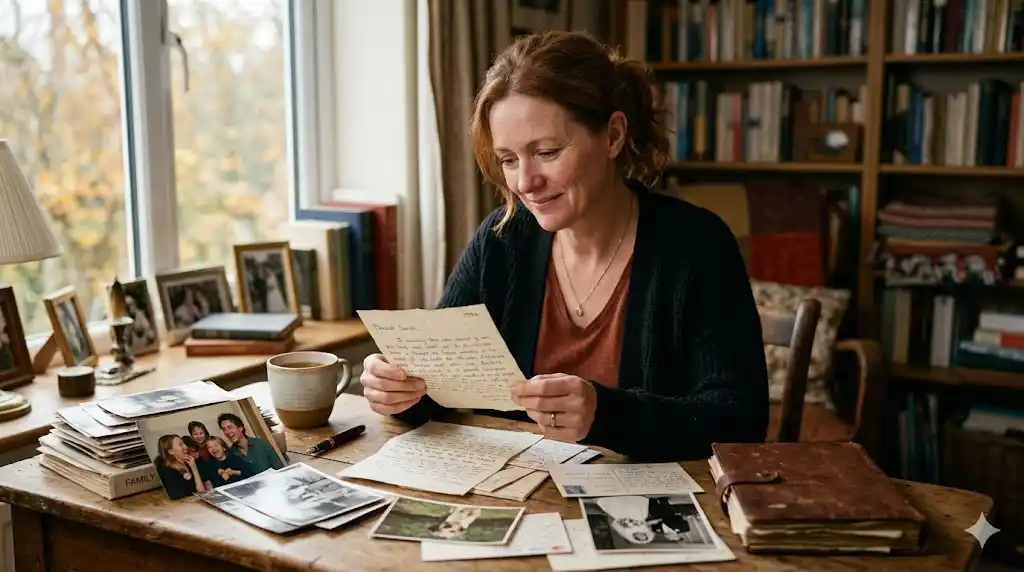
Most people don’t think about their own end-of-life plans until they have to. Katherine (Kate) Ivanova, co-founder of Pantio, started planning hers at 27. Not out of fear, but out of curiosity, and a childhood spent in a family where death was never a forbidden subject. On a recent episode of the Digital Legacy Podcast, Kate shared how she came to Pantio not as a founder first, but as a client: “I immediately thought, hey, I really want this for myself and for my dad.” Her conversation with host Niki Weiss is a rare, honest look at why waiting for the right moment to have these conversations may be the biggest mistake we make. Shifting Perspectives on Death Every individual carries a unique story, filled with values, experiences, and wisdom. Yet many of us shy away from documenting and sharing them. Kate's own upbringing was characterized by an open dialogue about mortality. Her parents fostered an environment where discussions about loss were woven into everyday life. This upbringing instilled in her a view that the topic of death should not be taboo, but rather an inevitable part of life that we should address openly. "It took a while to come to peace with those thoughts," Kate admits, "and I think in a way they're still, well, scary for me." Growing up in a household where her parents would casually remind their kids that they were "actually not gonna be here forever" and to enjoy the moment, Kate learned early to sit with that fear rather than avoid it. What surprises her most today is that so few others have had the same chance: "I'm very surprised that people my age, their parents are gonna die and they're not even aware of it. Why is nobody talking about this?" That gap between the open dialogue she grew up with and the silence she sees around her is exactly what drives her work in end-of-life planning.
About This Blog
StartFragment Most people don’t think about their own end-of-life plans until they have to. Katherine (Kate) Ivanova, co-founder of Pantio, started planning hers at 27. Not out of fear, but out of curiosity, and a childhood spent in a family where death was never a forbidden subject. On a recent episode of the Digital Legacy Podcast, Kate shared how she came to Pantio not as a founder first, but as a client: “I immediately thought, hey, I really want this for myself and for my dad.” Her conversation with host Niki Weiss is a rare, honest look at why waiting for the right moment to have these conversations may be the biggest mistake we make.
Shifting Perspectives on Death
Every individual carries a unique story, filled with values, experiences, and wisdom. Yet many of us shy away from documenting and sharing them. Kate's own upbringing was characterized by an open dialogue about mortality. Her parents fostered an environment where discussions about loss were woven into everyday life. This upbringing instilled in her a view that the topic of death should not be taboo, but rather an inevitable part of life that we should address openly.
"It took a while to come to peace with those thoughts," Kate admits, "and I think in a way they're still, well, scary for me." Growing up in a household where her parents would casually remind their kids that they were "actually not gonna be here forever" and to enjoy the moment, Kate learned early to sit with that fear rather than avoid it. What surprises her most today is that so few others have had the same chance: "I'm very surprised that people my age, their parents are gonna die and they're not even aware of it. Why is nobody talking about this?" That gap between the open dialogue she grew up with and the silence she sees around her is exactly what drives her work in end-of-life planning.
The Role of Technology in Capturing Legacy
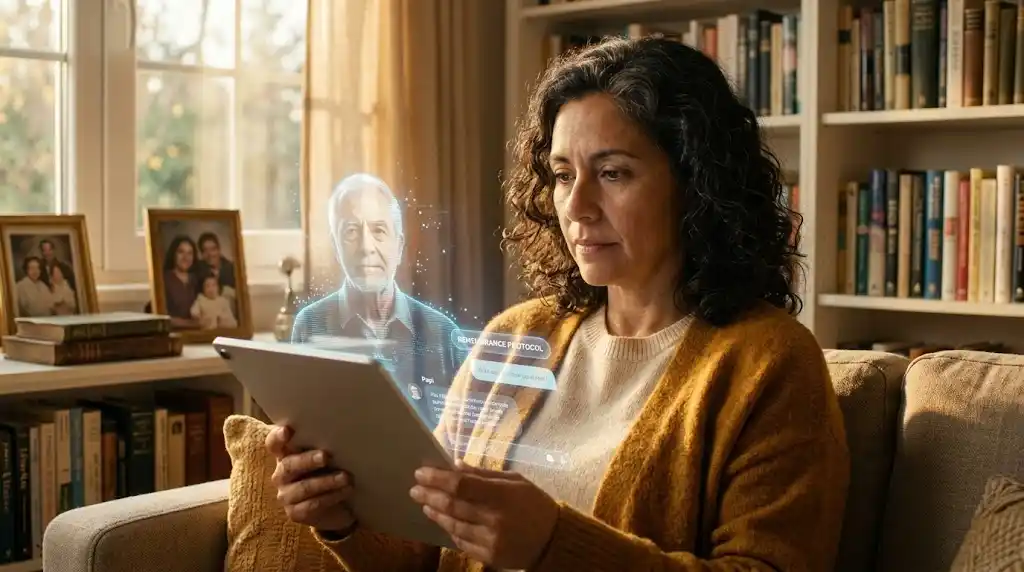
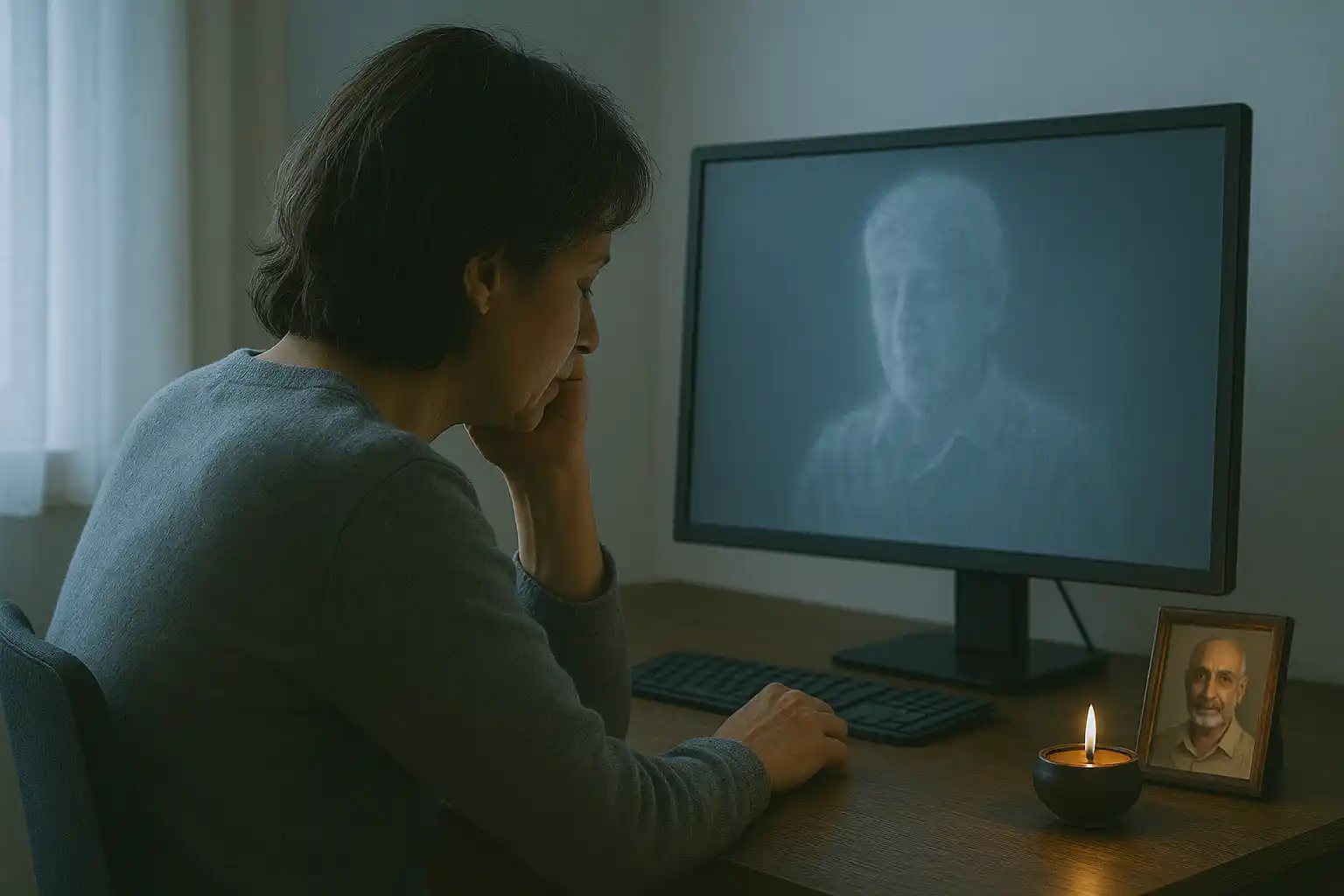
At the heart of Pantio's mission is the belief that identity is an asset. Instead of vanishing, people can curate how they are remembered. Utilizing technology, Pantio offers a platform to capture a person’s authentic voice, values, and memories in an interactive manner.
The process begins with personal interviews, once conducted live via Zoom, but now tailored to be intuitive and engaging. As Kate describes, “Every person deserves a spotlight like this to talk about what matters to them.” This platform not only facilitates conversations but also allows loved ones to feel connected and engaged even after physical loss occurs.
A Personalized Approach to Legacy Preservation
The Pantio experience is designed to be as individual as the lives it commemorates. Users can upload recordings, photographs, and even written notes. Everything is carefully cataloged in a secure digital format that can be accessed by family members. This thoughtful approach remains sensitive to the complexities of mortality while addressing the digital age's unique realities.
Kate explains, "We can use voice cloning and AI technology to ensure that what is generated sounds like the person, allowing their essence to endure." This blend of technology and empathy fosters a comforting dialogue when it may be needed most.
Breaking the Taboo: Making Planning a Norm
Both Kate and Niki emphasize the importance of having these conversations well before a crisis hits. By treating end-of-life planning as a normal aspect of life, akin to managing financial assets or health care. Individuals can alleviate burdens for their loved ones and create a dialogue that enhances relationships.
“Why don’t we integrate some of these legal practices from financial points into this part of our lives?” Kate urges. “We should start having these conversations while everything is good, not waiting until it's too late.”
Steps to Begin Your Own Digital Legacy
Spark the Conversation: Start by discussing your hopes and wishes with family members in an open, honest, and casual way. Share your interest in documenting family stories and memories.
Explore Tools Together: Look into platforms like Pantio that allow for the preservation of digital legacy. Consider setting up a family account to start capturing stories together.
Reflect on Your Values: Take the time to think about what you would like to leave behind. What lessons, experiences, and memories would you want to share with future generations?
By changing the narrative surrounding death and actively engaging in discussions about our digital legacies, we not only prepare for the future but also enrich the lives of those around us.
Stop Leaving Chaos Behind
The conversation with Kate Ivanova reminds us that while legacy planning can feel daunting, it is the ultimate act of care for those we love. You don't have to figure it all out at once. You just need a starting point.
If you're ready to move from "I should do this" to "It’s handled," we’ve made it simple. Claim your FREE Assessment & Action Plan here to get total clarity on your digital legacy and finally take control of your future. You’ll walk away with a personalized roadmap that turns the "what ifs" into a clear, manageable plan.
For more poignant insights, listen to the full episode featuring Kate Ivanova on the Digital Legacy Podcast. You can also connect with Kate directly via Pantio’s website or her LinkedIn. EndFragment
Take the Next Step: Start Planning with My Final Playbook


Related Blog
Duis mi velit, auctor vitae leo a, luctus congue dolor. Nullam at velit quis tortor malesuada ultrices vitae vitae lacus. Curabitur tortor purus, tempor in dignissim eget, convallis in lorem.
Comments