
Choosing Love Over Fear: A Young Caregiver's Journey
We often think of caregiving as something that happens later in life. It is a transition we expect to navigate as our parents grow older, or as we ourselves enter our senior years. But for some, the reality of caregiving arrives decades earlier than anticipated. When life shifts abruptly, the transition can be overwhelming. The plans you have made, the milestones you have celebrated, and the future you have envisioned can be replaced with medical appointments, care schedules, and profound uncertainty. This journey requires a level of resilience that few of us are prepared for, especially when we are young. Recently, I sat down with Anna Myers on the Digital Legacy Podcast. Anna's story is a testament to the power of connection and the resilience of the human spirit. She is navigating a profoundly difficult reality, caring for her husband, James, who is battling a rare and aggressive brain cancer. Her journey, as a 34-year-old wife and caregiver, offers invaluable insights into the importance of planning, the power of choosing love over fear, and finding meaning amidst the chaos.
About This Blog
We often think of caregiving as something that happens later in life. It is a transition we expect to navigate as our parents grow older, or as we ourselves enter our senior years. But for some, the reality of caregiving arrives decades earlier than anticipated.
When life shifts abruptly, the transition can be overwhelming. The plans you have made, the milestones you have celebrated, and the future you have envisioned can be replaced with medical appointments, care schedules, and profound uncertainty. This journey requires a level of resilience that few of us are prepared for, especially when we are young.
Recently, I sat down with Anna Myers on the Digital Legacy Podcast. Anna's story is a testament to the power of connection and the resilience of the human spirit. She is navigating a profoundly difficult reality, caring for her husband, James, who is battling a rare and aggressive brain cancer. Her journey, as a 34-year-old wife and caregiver, offers invaluable insights into the importance of planning, the power of choosing love over fear, and finding meaning amidst the chaos.
When the Unimaginable Happens
For years, Anna and James lived a life many would envy. They built a strong relationship, shared a passion for skiing, and were blissfully unaware of the challenges ahead.
Their lives changed in February 2025, While on a ‘dream’ ski trip where they got engaged, James began feeling unwell. A scan revealed his tumor. What followed was a whirlwind of clinical trials, a grueling 10-hour surgery, and a sudden shift in reality.
Despite the challenges, Anna never wavered. The thought of leaving James never crossed her mind. She chose to embrace the path ahead, recognizing the profound love they share and the beauty in navigating life's most difficult moments together.
The Abrupt Shift to Caregiving
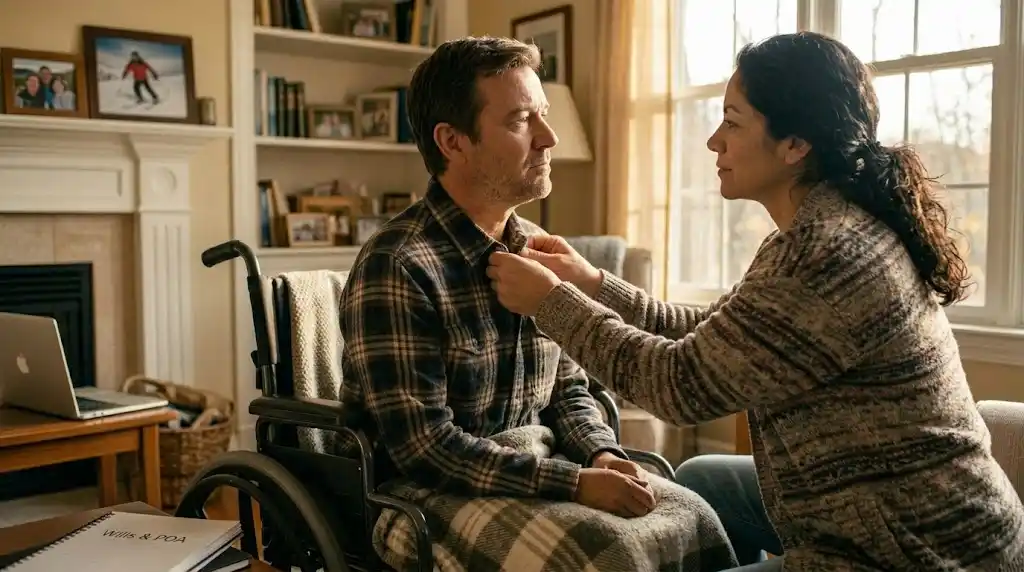
The most significant turning point in Anna's journey occurred just after James's surgery. While sitting outside for breakfast, James suffered a devastating stroke brought on by his radiation treatment. Suddenly, the vibrant, independent man she loved was wheelchair-bound and relied entirely on her for his daily needs.
Anna described this transition as the most challenging moment of her life. She had to quickly adapt to a new normal, assisting him with everything from showering to dressing. Her role shifted from a supportive partner to a full-time caregiver. This sudden transformation required immense emotional and physical strength.
Finding Balance in the Chaos
Navigating a demanding career while providing full-time care is an incredibly difficult balancing act. Anna's professional life as a project manager, combined with her role as a caregiver, created a chaotic environment. Her ability to juggle these responsibilities is a testament to her organizational skills and her unwavering commitment.
She seamlessly moved between her professional responsibilities and her caregiving duties, highlighting the silent struggles that many working caregivers face. While this level of multitasking is not recommended, it underscores the reality of those who must manage both their careers and the health of their loved ones.
The Importance of Essential Conversations
One of the most profound lessons from Anna's experience is the importance of having end-of-life conversations early. Even after receiving a terminal diagnosis, James struggled to formalize his legal documents, such as a will and power of attorney.
Anna acknowledges that she, too, avoided these tasks. The emotional weight of the diagnosis, coupled with planning a wedding and getting a new puppy, made addressing legal paperwork feel overwhelming. However, the anxiety of not having a plan eventually outweighed the discomfort of the process.
The lack of essential documents can leave families vulnerable, potentially forcing the state to make critical decisions. By openly discussing preferences and completing necessary paperwork, we can protect our loved ones and ensure our wishes are respected.
Finding Hope and Embracing the Journey
Despite the immense challenges she faces, Anna approaches her life with remarkable grace. She recognizes that she has chosen this path and embraces the opportunity to grow and learn from the experience. Her journey has transformed her fear of death into curiosity, allowing her to appreciate the profound beauty in the connection she shares with James.
Anna's story is a powerful reminder that while we cannot always control the circumstances we face, we can choose how we respond. By embracing vulnerability, seeking support, and focusing on the love that binds us, we can navigate even the most challenging transitions with strength and resilience.
Small Steps Toward Preparedness
Anna's journey offers valuable guidance for anyone facing major life transitions or preparing for the future:
Start Small: Planning for the future does not have to be overwhelming. Begin by simply writing down your essential passwords or sharing your preferences with a trusted loved one. These small actions can provide peace of mind and create momentum for more comprehensive planning.
Have the Difficult Conversations: Do not wait for a crisis to discuss end-of-life wishes. Engage in these conversations early and openly. Understanding your loved ones' desires can alleviate stress and ensure their values are honored.
Embrace the Support System: Caregiving is not a journey you have to walk alone. Utilize the resources available to you, whether it is family support, workplace benefits, or community organizations.
Take the Next Step: Start Planning with My Final Playbook


Related Blog
Duis mi velit, auctor vitae leo a, luctus congue dolor. Nullam at velit quis tortor malesuada ultrices vitae vitae lacus. Curabitur tortor purus, tempor in dignissim eget, convallis in lorem.



Comments