The Hidden Administrative Burden of Loss: Navigating the Paperwork of Grief

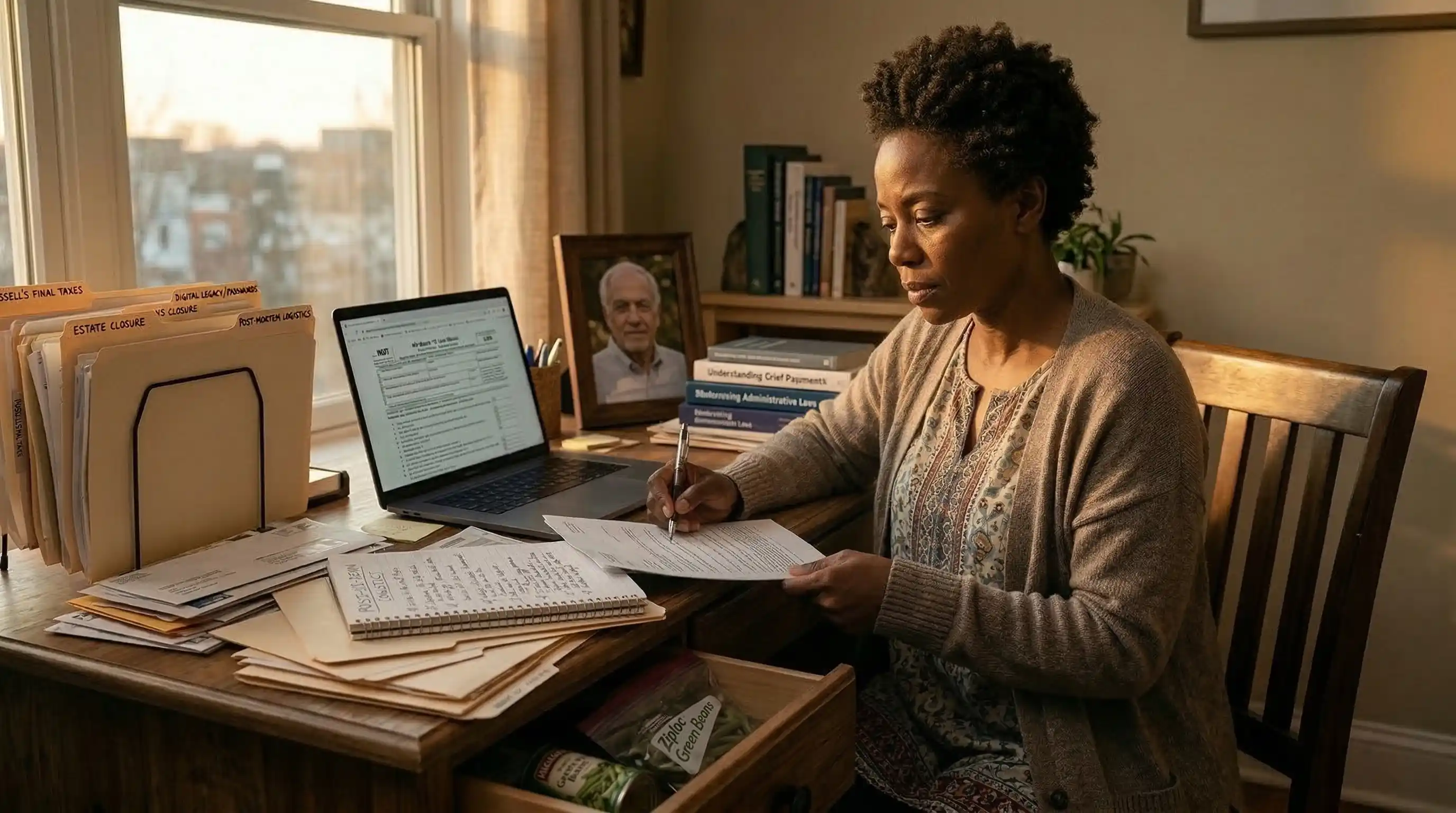
Losing a loved one is an experience that shakes us to our core. In the midst of profound heartbreak, the last thing anyone wants to think about is paperwork, closing bank accounts, or filing taxes. Yet, this is the reality that millions of grieving families face every day. When a parent, partner, or family member passes away, those left behind are often thrust into a labyrinth of bureaucracy. This administrative burden of loss is a silent struggle. It adds layers of stress and confusion to an already devastating time in our lives. Recently, Niki Weiss sat down with Emily Kyle on the Digital Legacy Podcast to discuss this very challenge . Emily is the founder and CEO of Good Grief, a platform designed to guide families through the overwhelming logistics that follow a death. Her journey offers a compassionate look at why end-of-life planning is the ultimate act of love for those we leave behind.
About This Blog

Losing a loved one is an experience that shakes us to our core. In the midst of profound heartbreak, the last thing anyone wants to think about is paperwork, closing bank accounts, or filing taxes. Yet, this is the reality that millions of grieving families face every day.

When a parent, partner, or family member passes away, those left behind are often thrust into a labyrinth of bureaucracy. This administrative burden of loss is a silent struggle. It adds layers of stress and confusion to an already devastating time in our lives.

Recently, Niki Weiss sat down with Emily Kyle on the Digital Legacy Podcast to discuss this very challenge . Emily is the founder and CEO of Good Grief, a platform designed to guide families through the overwhelming logistics that follow a death. Her journey offers a compassionate look at why end-of-life planning is the ultimate act of love for those we leave behind.


The 570-Hour Part-Time Job

Many of us mistakenly believe that having a legal will means our affairs are completely in order. While a will provides a necessary roadmap for the courts, it does not manage the day-to-day administrative tasks . It does not tell your family how to sell your house, cancel your utility bills, or track down your digital passwords.

The reality is staggering. On average, settling an estate takes around two years to fully close out. The administrative tasks alone demand roughly 570 hours of work from the grieving family. That is the equivalent of taking on a massive part-time job while trying to process the loss of someone you love.

This burden is growing heavier due to our digital sprawl. We have countless online accounts, recurring subscriptions, and hidden digital assets. Finding and closing these accounts is incredibly difficult. Emily even had to hire a private investigator just to uncover her father's physical and digital footprint .


Busting the "I Don't Have Assets" Myth

A common reason people avoid end-of-life planning is the belief that they simply do not have enough money to warrant a plan. They might say that they do not have a massive estate, so there is nothing to worry about.

However, everyone leaves behind a footprint. Even if you do not have a large bank account, you still have an identity to close out. You have final taxes that must be filed, as dead people cannot escape the IRS. You also have personal wishes, family stories, and a unique legacy that deserves to be passed down .

When we avoid planning, we leave our families to navigate a complex maze. Banks and service providers do not make it easy to close accounts. Often, grieving family members are forced to track down fax machines just to send death certificates to unhelpful customer service departments .


Making One-Way Decisions in Crisis

When a death occurs unexpectedly, families are forced to make major financial and logistical decisions in a state of shock. In these vulnerable moments, our brains are simply not processing information clearly .

This vulnerability is especially apparent when making funeral arrangements. Without a pre-existing plan, families often choose the most accessible or affordable options presented to them, such as standard cremation . They might not know that their loved one would have preferred a green burial or even body donation.

Furthermore, funeral costs are rising rapidly, consistently outpacing regular inflation . Because families feel rushed and believe it is insensitive to negotiate prices while grieving, they often overspend . Shockingly, recent data shows that 37% of people have to finance death-related expenses, plunging them into debt during a tragedy.


Finding Laughter Amidst the Tears

While the administrative side of death is daunting, the grieving process itself is deeply human and surprisingly multi-faceted. Grief is not just about crying. It is also about remembering the joy, the quirks, and the humor of the person who passed away.

Emily shared a beautiful, hilarious story about honoring her father, Russell. Three years after his passing, her family finally gathered to scatter his ashes near his childhood home in Los Angeles . Because her parents were divorced, her mother transported the ashes on an airplane inside a giant Ziploc bag labeled "green beans" .

Naturally, the bag was flagged by airport security . Later, while trying to discreetly scatter the ashes on a busy street, a nearby dumpster accidentally fell toward Emily, blowing the ashes right back into her face . While chaotic, these moments brought immense laughter to her family. They knew her prankster father would have found the entire situation absolutely hysterical.


Small Steps Toward a Prepared Future

We cannot control the pain of losing someone, but we can completely control the administrative mess left behind. By taking action today, we protect our loved ones from unnecessary stress, legal battles, and financial strain.

Consider taking these small, empowering steps this week:

  • Start the Conversation: Talk to your family about your final wishes. Even if you just share the "vibe" you want for your memorial, that guidance is a massive relief for your family.

  • Document Your Digital Life: Keep a secure, updated list of your online passwords, subscriptions, and bank accounts.

  • Explore Your Options Early: Research funeral, cremation, or body donation options now. You can lock in prices and make calm, informed decisions outside of a crisis scenario .

To hear Emily Kyle's full conversation with Niki Weiss, listen to the latest episode of the Digital Legacy Podcast. You can also explore her incredible platform and resources at GoodGriefRelief.co


Take the Next Step: Start Planning with My Final Playbook

Related Blog

Duis mi velit, auctor vitae leo a, luctus congue dolor. Nullam at velit quis tortor malesuada ultrices vitae vitae lacus. Curabitur tortor purus, tempor in dignissim eget, convallis in lorem.


Leaving A Music Legacy in the Digital Age

This week on Death and Dying in the Digital Age, we consider end-of-life care and the legacies we leave behind. Niki Weiss sat down with accomplished music therapists Brooke Carroll Lemchak, PhD and Karen Dennery Melita, MMT, MT-BC to explore how music therapy helps bridge the gap between life and death while creating lasting emotional connections that can be there for loved ones when you no longer are. Both Brooke and Karen bring extensive expertise to this conversation, having dedicated their careers to music therapy after completing rigorous academic and clinical training at Temple University. Their combined experience spans decades of working with hospice patients across all age groups, from young children to elderly adults. As board-certified music therapists, they've witnessed firsthand how music can transform end-of-life experiences and create meaningful legacies for those left behind. The Power of Musical Memory in End-of-Life Care Scientific research has shown that musical memories are stored in the prefrontal cortex, one of the last areas of the brain to deteriorate as we age. This explains why individuals with advanced dementia who struggle to recognize family members can still recall and sing along to songs from their youth with perfect clarity. For music therapists working in hospice settings, this connection becomes a powerful way to maintain meaningful relationships until the very end. Through carefully selected songs and musical interactions, patients can express emotions, share memories, and connect with loved ones even when traditional communication becomes difficult. The therapeutic value extends beyond the patient to family members, who often find comfort in seeing their loved ones engage with familiar music. You can create new positive memories that family members can cherish long after their loved one has passed, helping to balance the challenging emotions that come with loss. Creating Musical Time Capsules for Loved Ones In today's digital age, creating musical legacies has become more accessible than ever. Modern technology allows us to easily compile and preserve meaningful songs that represent our relationships with different people in our lives. Unlike physical recordings that can deteriorate over time, digital platforms ensure these musical memories remain intact for future generations and can be a preservation of your legacy. Music therapists encourage people to start building these musical time capsules while they're healthy, rather than waiting until they face a health crisis. This allows for thoughtful selection of songs that truly represent relationships and experiences, creating more meaningful collections for loved ones. The process of creating musical legacies can be therapeutic in itself, helping individuals process their emotions and reflect on important relationships in their lives. It becomes a way to express feelings that might be difficult to put into words, especially for those who struggle with verbal expression. The Impact of Original Songs Sometimes, existing songs aren't enough to express the complex emotions and messages we want to leave behind. Music therapists often work with patients to create original songs that address specific relationships or unresolved feelings. These personalized compositions become powerful tools for healing and closure as well as a personal record to share with future generations. One particularly moving example involved a patient with an estranged daughter. Through songwriting, he found a way to express his regrets and love in a way that traditional communication hadn't allowed. While the song's reception by his daughter remained uncertain, the process itself provided vital emotional release and closure for the patient. The creation of original music often serves multiple purposes: it helps patients process their own emotions, provides a creative outlet during difficult times, and leaves behind a unique, personal legacy for loved ones. These songs become time capsules of emotion, carrying messages of love and healing across generations. Technology's Role in Preserving Musical Legacies Here are several ways technology has revolutionized how we create and preserve musical legacies: 1. Digital Storage Platforms Cloud-based music libraries Dedicated playlist folders for different loved ones Backup systems to prevent loss 2. Recording Options Voice memo applications Professional-quality recording software Digital audio workstations 3. Sharing Capabilities Easy distribution to family members Ability to add personal notes to songs Options for future scheduled sharing Modern digital tools have transformed how music therapists work with patients and how individuals can create their own musical legacies. What once required extensive physical sheet music collections can now be accessed instantly through digital libraries. This accessibility allows for more spontaneous and responsive music therapy sessions while ensuring that created works remain preserved for future generations. Time to Start Your Legacy The time to start creating your musical legacy is now, not when facing end-of-life decisions. Begin by thinking about the special people in your life and the songs that remind you of them. Consider creating digital folders for each loved one, filling them with meaningful music that represents your relationship. Your musical legacy doesn't have to be complex or professionally produced. It can be as simple as a playlist of songs that tell your story or express your feelings. The key is to start the process while you have the clarity and time to make thoughtful choices about what you want to leave behind. Don't wait until tomorrow to begin creating these precious gifts for your loved ones. Whether through existing songs or original compositions, music provides a unique way to ensure your love and memories live on. In the end, these musical legacies become bridges across time, allowing your voice to continue speaking to future generations through the universal language of music. Don't leave any pieces of your legacy to chance. As a next step, you can start and develop your plan by downloading the app, My Final Playbook. Through this app, you'll be able to start and learn how to organize your legal, financial, physical, and digital assets today. In the digital age, planning your legacy is just a click away. Until then, keep your password safe and your playbook up to date.

Comments