
Why Talking About Death Helps Us Live More Fully
Death is one of the few certainties we all share, yet it remains one of the hardest things to talk about. We will happily plan a wedding for a year, but we will not spend a single afternoon talking about how we want to be cared for at the end. Recently, Niki Weiss sat down with Jill McClennen, a death doula and end of life educator, on the Digital Legacy Podcast. Their conversation was honest, warm, and surprisingly hopeful. Finding a Calling at the Bedside Jill’s path began with a loss. She moved across the country to care for her 90 year old grandmother, who was later diagnosed with cancer. The final night at home, before hospice arrived, was frightening and confusing. A hospice nurse helped Jill understand that what she was seeing was natural. That moment of guidance changed everything, and Jill realized this was the work she was meant to do. What a Death Doula Really Does Many people picture a death doula sitting quietly at a bedside. Jill explained that a doula is a trained companion who supports people through the end of life, much the way a birth doula supports new parents. But most of her work happens long before the final days. It looks like honest conversations, helping families get clear on what matters to them while there is still time to decide. Why We Look Away Niki and Jill explored a strange contradiction. Our culture is fascinated by death on television and in true crime stories, yet many of us cannot bear to discuss our own wishes. Part of the reason is that death is no longer woven into daily life the way it once was. We are more removed from it, so it feels unfamiliar and frightening. Jill believes that naming it, out loud and often, is how we begin to take away its power. Understanding the Final Days For families sitting with a dying loved one, the unknown can be the hardest part. Jill gently described what the active dying phase often looks like. This is the natural process the body moves through in the last days of life. A person may sleep much more and eat or drink very little. There can be a brief surge of energy that families sometimes mistake for recovery, known as the rally. Breathing may change as well. Jill reassures families that these signs are normal and not painful, even when they are hard to witness. Knowing what to expect, she says, turns fear into understanding. Having a Say in Your Own Care Jill also helps people understand the choices that can exist at the end of life. Some people reach a point where they feel ready, even as their body continues on. In certain states, a person with a terminal diagnosis may explore medical aid in dying (MAid), a legal option in some states, that involves careful evaluation by physicians. Another path, recognized as legal options across the United States, is the choice to voluntarily stop eating and drinking (VSED). What moved her most was a quiet truth. For many people, simply knowing an option exists brings peace, even when they never use it. The sense of having a choice can be its own comfort. Small Steps You Can Take Today Jill’s advice was simple and kind. You do not have to solve everything in one sitting. You just have to begin the conversation. Here are a few gentle steps: Ask a loved one one easy question, such as what matters most to them at the end of life. Write down a few of your own wishes, even informally, so they are not left to guesswork. Learn any terms that are new to you, so you can make informed choices with the right professionals. Listen to the full conversation with Jill McClennen on the Digital Legacy Podcast, and learn more about her work at endoflifeclarity.com or through her own podcast, Seeing Death Clearly. When you are ready to put your own wishes and plans in order, visit finalplaybook.com for more ENDevo resources. Live fully, die ready.

About This Blog
Death is one of the few certainties we all share, yet it remains one of the hardest things to talk about. We will happily plan a wedding for a year, but we will not spend a single afternoon talking about how we want to be cared for at the end.
Recently, Niki Weiss sat down with Jill McClennen, a death doula and end of life educator, on the Digital Legacy Podcast. Their conversation was honest, warm, and surprisingly hopeful.
Finding a Calling at the Bedside
Jill’s path began with a loss. She moved across the country to care for her 90 year old grandmother, who was later diagnosed with cancer.
The final night at home, before hospice arrived, was frightening and confusing. A hospice nurse helped Jill understand that what she was seeing was natural. That moment of guidance changed everything, and Jill realized this was the work she was meant to do.
What a Death Doula Really Does
Many people picture a death doula sitting quietly at a bedside. Jill explained that a doula is a trained companion who supports people through the end of life, much the way a birth doula supports new parents.
But most of her work happens long before the final days. It looks like honest conversations, helping families get clear on what matters to them while there is still time to decide.
Why We Look Away
Niki and Jill explored a strange contradiction. Our culture is fascinated by death on television and in true crime stories, yet many of us cannot bear to discuss our own wishes.
Part of the reason is that death is no longer woven into daily life the way it once was. We are more removed from it, so it feels unfamiliar and frightening. Jill believes that naming it, out loud and often, is how we begin to take away its power.
Understanding the Final Days
For families sitting with a dying loved one, the unknown can be the hardest part. Jill gently described what the active dying phase often looks like. This is the natural process the body moves through in the last days of life.
A person may sleep much more and eat or drink very little. There can be a brief surge of energy that families sometimes mistake for recovery, known as the rally. Breathing may change as well. Jill reassures families that these signs are normal and not painful, even when they are hard to witness.
Knowing what to expect, she says, turns fear into understanding.
Having a Say in Your Own Care
Jill also helps people understand the choices that can exist at the end of life. Some people reach a point where they feel ready, even as their body continues on.
In certain states, a person with a terminal diagnosis may explore medical aid in dying (MAid), a legal option in some states, that involves careful evaluation by physicians. Another path, recognized as legal options across the United States, is the choice to voluntarily stop eating and drinking (VSED).
What moved her most was a quiet truth. For many people, simply knowing an option exists brings peace, even when they never use it. The sense of having a choice can be its own comfort.
Small Steps You Can Take Today
Jill’s advice was simple and kind. You do not have to solve everything in one sitting. You just have to begin the conversation.
Here are a few gentle steps:
Ask a loved one one easy question, such as what matters most to them at the end of life.
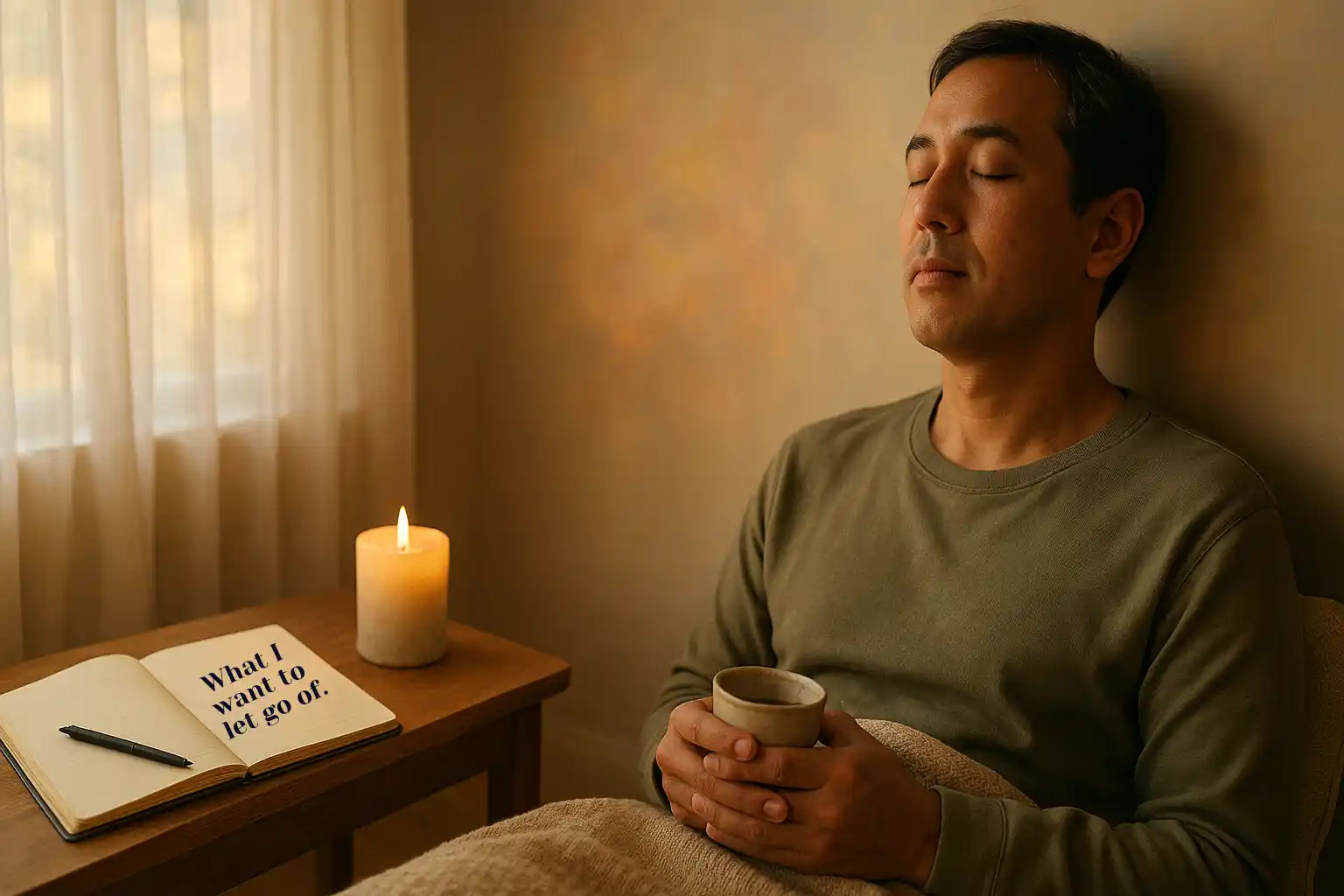
Write down a few of your own wishes, even informally, so they are not left to guesswork.
Learn any terms that are new to you, so you can make informed choices with the right professionals.
Listen to the full conversation with Jill McClennen on the Digital Legacy Podcast, and learn more about her work at endoflifeclarity.com or through her own podcast, Seeing Death Clearly. When you are ready to put your own wishes and plans in order, visit finalplaybook.com for more ENDevo resources. Live fully, die ready.
Related Blog
Duis mi velit, auctor vitae leo a, luctus congue dolor. Nullam at velit quis tortor malesuada ultrices vitae vitae lacus. Curabitur tortor purus, tempor in dignissim eget, convallis in lorem.



Comments